The Central Intelligence Agency (CIA) is set to significantly expand its involvement in the U.S. government’s battle against Mexican drug cartels under President Donald Trump’s administration. As outlined in a detailed report by The Washington Post, the CIA is formulating plans to increase intelligence sharing with regional governments, provide enhanced training to local counternarcotics units, and possibly carry out covert operations against cartel leaders. This increased focus on the cartels comes in response to the growing narcotics trade, particularly the influx of fentanyl, which has contributed to a surge in overdose deaths in the United States.
Historically, the CIA’s mission has primarily focused on counterterrorism operations, especially in the Middle East and Africa, and more recently on intelligence gathering related to China. However, under CIA Director John Ratcliffe, there is a clear shift in priorities. Sources familiar with the matter indicated that Ratcliffe intends to redirect agency resources toward the counternarcotics mission, drawing on the CIA’s extensive experience in counterterrorism to combat the cartels. The agency’s track record in infiltrating and disrupting terrorist networks is now being viewed as a model for dismantling drug trafficking operations, especially those responsible for smuggling fentanyl across the U.S.-Mexico border.
According to a CIA spokesperson, countering drug cartels in Mexico is a major priority under Trump’s broader efforts to combat the opioid crisis and illegal immigration. The agency is expected to boost U.S. support for antidrug forces within Mexico and other countries in the region. However, questions remain about the potential for U.S. military or CIA personnel to take direct action against cartel leaders on Mexican soil, a move that former intelligence and military officials warn could provoke significant backlash and jeopardize diplomatic relations between the U.S. and Mexico. The delicate balance of cooperation between the two countries has been strained in recent years, particularly following the arrest of former Mexican defense minister Salvador Cienfuegos in 2020 on drug-related charges.
As The Washington Post reported, the CIA has a long history of clandestine operations in Mexico, working quietly with the Mexican military to target and dismantle drug cartels. However, U.S. cooperation with other agencies, such as the Drug Enforcement Administration (DEA), has faced challenges, especially in the wake of Cienfuegos’ arrest. Despite this, the CIA’s intelligence-sharing efforts have remained a cornerstone of U.S.-Mexico counternarcotics cooperation, with the U.S. providing critical intelligence that has led to some successful actions against cartels, such as the dismantling of parts of the Sinaloa cartel.
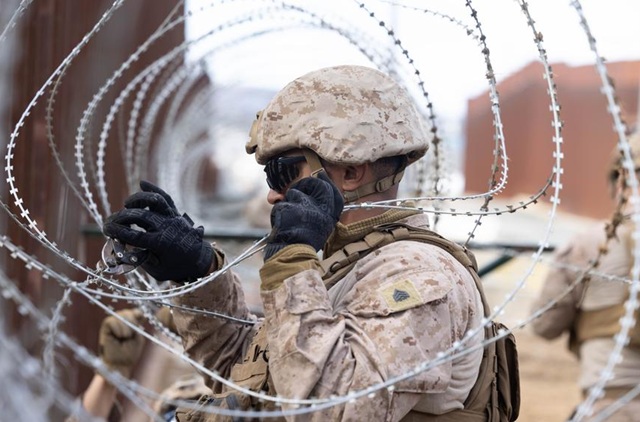
The Trump administration’s intensified approach to combating drug cartels also includes plans for U.S. military involvement along the southern border, where additional surveillance flights and electronic monitoring of cartel activities have been put in place. There have even been discussions about expanding the U.S. military’s role, though the Pentagon has not confirmed any immediate plans for such actions. Critics of the strategy, however, argue that an overly aggressive approach could harm U.S.-Mexico relations, particularly as Mexican President Claudia Sheinbaum has asserted that Mexico will engage with Washington as an equal, not a subordinate.
The CIA’s increased role in fighting the cartels will likely require significant adjustments to its operations and resource allocation. As noted by The Washington Post, there is some concern over whether the agency will have to pull resources from other priorities, such as intelligence efforts on China, to fund its counternarcotics work. While Director Ratcliffe has emphasized that counterintelligence on China remains his top priority, the shift in focus to drug cartels underscores the Trump administration’s broader strategy to confront narcotics trafficking head-on. The CIA is expected to expand its presence in key countries across Latin America, including Mexico and Colombia, and increase its staffing at its headquarters in Langley, Virginia. However, as former intelligence officials point out, this expanded focus will require careful planning and resourcing.
The Trump administration has made clear that one of its priorities is to designate certain Mexican cartels as foreign terrorist organizations, a move that could open the door for more aggressive U.S. actions, including surveillance and covert operations. While the CIA is already authorized to conduct covert actions against cartels as part of counternarcotics efforts, some former officials warn that such a designation could further strain relations between the U.S. and Mexico, especially if it leads to unilateral U.S. actions on Mexican soil.
As The Washington Post highlights, this shift in U.S. strategy comes at a time of heightened political tension in Mexico, where the government has pushed back against U.S. intervention in its domestic affairs. The Mexican government, while cooperating with the CIA, has long been wary of direct U.S. military involvement on Mexican soil, given the historical context of U.S.-Mexico relations. Experts warn that any escalation of U.S. involvement in Mexico’s fight against drug cartels could risk alienating Mexican authorities and further complicate cooperation on counternarcotics initiatives.
The CIA’s new strategy to combat cartels is a key part of President Trump’s broader effort to dismantle the illegal drug trade and combat the opioid crisis. However, as former U.S. officials have noted, achieving success in this fight will require more than just intelligence and military action. It will also require significant cooperation with local forces and a balanced approach that includes economic development and institutional strengthening in regions heavily impacted by drug trafficking. Without this comprehensive approach, experts caution, the U.S. risks facing an ongoing, complex challenge in combating the cartels.