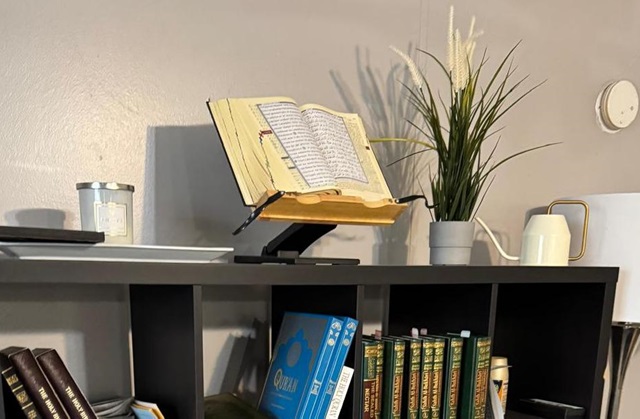
Inside the shabby trailer where Shamsud-Din Jabbar plotted his deadly attack on New Orleans, an open Quran sat on a reading stand. The final lines on the page, describing the promise of paradise for those who die in the name of Allah, may have been the last words he read before setting out on his murderous mission. Jabbar, 42, rammed his truck into a crowd of revelers on New Year’s Day, killing 14 before he was shot by police. The truck bore an ISIS flag, and inside, investigators found pipe bombs, which Jabbar had allegedly built in the trailer, 300 miles away in a Houston suburb.
The FBI’s investigation revealed a stark picture of Jabbar’s life leading up to the attack. The trailer was in disarray, with furniture moved and cabinets left open, yet much of it seemed untouched as though Jabbar had left in haste. Clothes hung in closets, children’s toys lay in a bedroom, and a plastic dartboard was still hanging in the living room. Neighbors described him as a quiet, private individual, with no indication of his radicalization. “We’re still in shock. He was a nice boy, a good neighbor,” said one neighbor, reflecting the confusion that followed the attack.
Further investigation into the home revealed clues about Jabbar’s descent from a promising U.S. Army serviceman to a man consumed by radical Islamic ideology. Items from his past life, including a “Veterans in the USA” label and a desk used during his days as a real estate agent, marked a time when he was seemingly on a different path. However, in the final months of his life, Jabbar became increasingly isolated, with a collection of Islamic texts, including multiple copies of the Quran, filling the shelves of his home.