The Islamic State (ISIS), once considered defeated after the collapse of its caliphate in Iraq and Syria, demonstrated its enduring influence on New Year’s Day when Shamsud-Din Bahar Jabbar carried out a deadly attack in New Orleans. Jabbar, driving a truck adorned with an ISIS flag, plowed into a crowd, killing 14 people and injuring many more. While authorities found no direct ties between Jabbar and the terrorist group, the FBI confirmed he was “100 percent inspired by ISIS.”
The attack exemplifies how ISIS continues to radicalize individuals worldwide, leveraging sophisticated media strategies to maintain a global network of supporters and operatives despite its territorial losses.
According to The New York Times, Jabbar had posted videos pledging allegiance to ISIS on Facebook before the attack. Authorities believe the placement of the ISIS flag on his truck mirrored a propaganda campaign urging followers to “run them over without mercy.”
The Islamic State has redefined modern terrorism by turning its movement into a global brand sustained by a centralized media directorate. Through online videos, social media platforms, and a weekly newsletter called Al Naba, ISIS encourages attacks and builds a community among its supporters.
Experts point out that the group’s media content is methodically crafted, serving as the glue that binds its global network of affiliates in regions such as Africa, the Middle East, and Central Asia. Cole Bunzel, a scholar of militant Islam at Stanford University, noted the precision of ISIS’s media operations, citing Al Naba’s consistent publication every Thursday as a testament to its sophistication.
While the group’s most recent edition of Al Naba did not claim responsibility for the New Orleans attack, its ongoing calls for “lone wolf” violence, such as the directive to “kill them wherever you find them,” have inspired countless acts of terror worldwide.
The New York Times highlights the role of social media platforms in amplifying extremist propaganda. Algorithms designed to maximize user engagement inadvertently deepen radicalization, delivering extremist content to vulnerable individuals during critical stages of their psychological transformation.
“Terror groups don’t have to make a ton of effort to radicalize people anymore; the algorithm does it for them,” said Hans-Jakob Schindler, senior director of the Counter Extremism Project.
ISIS has adapted to crackdowns on mainstream social media by moving its propaganda to decentralized platforms and the dark web. However, it continues to exploit popular platforms like Facebook, Twitter, and Telegram, often creating new accounts as older ones are shut down.
Despite suffering major setbacks in Iraq and Syria, ISIS has rebranded itself as a decentralized network with a global reach. Affiliates in Africa, Afghanistan, and Turkey now carry out attacks in the group’s name, sustaining its relevance and appeal.
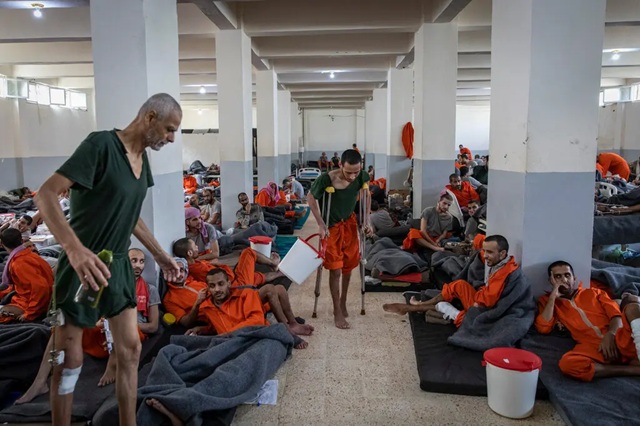
In Syria, the group has seen a resurgence amid ongoing instability, with recent campaigns calling for imprisoned fighters to break out of jails and rejoin its ranks. Analysts fear that chaos in the region, particularly after the fall of the Assad regime in December, could provide ISIS with an opportunity to regain territory.
Jabbar’s attack has reignited debates about the accountability of social media companies. Schindler criticized the tech industry for its inaction, comparing the lack of oversight to financial institutions’ rigorous reporting of suspicious activity.
“Why is this massive industry with these profits not helping our security services to prevent such attacks?” Schindler asked. “Why do we not get a tip that there’s a radicalization process underway?”