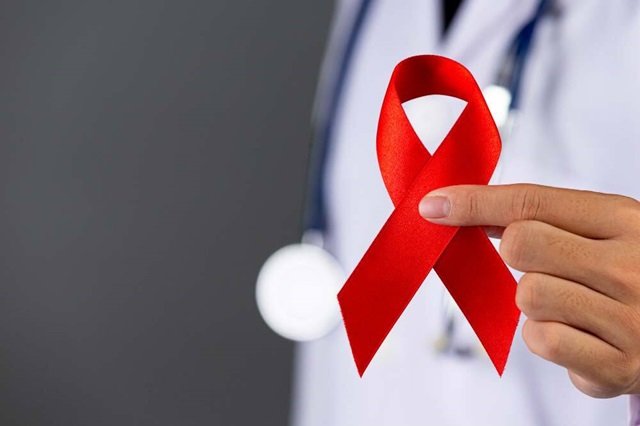
Sri Lanka has recorded 88 new HIV infections among people aged 15 to 24 during the first nine months of 2026, with 78 cases involving young adults aged between 20 and 24, according to the National STD/AIDS Control Programme. The figures indicate that the overwhelming majority of newly identified infections within this age group are concentrated among people in their early twenties.
The figures were disclosed by Dr Madhavi Gunaratne, a consultant community physician attached to the National STD/AIDS Control Programme, during a media briefing at the Health Promotion Bureau. She said 708 new HIV infections had been reported across all age groups by the end of the third quarter of 2026.
Providing a historical perspective, Gunaratne said Sri Lanka had recorded its first HIV case in 1987 and had continued to identify new infections annually. By the end of September 2026, the cumulative number of people identified with HIV in the country had reached 8,111, she said.
Of the 88 newly identified cases among people aged 15–24 during the first three quarters of this year, 78 were in the 20–24 age category. This means that approximately 89 per cent of the reported infections within the younger age group involved people aged between 20 and 24.
The figures distinguish between the total number of new infections recorded nationally and those identified among younger people. While 708 new cases were reported across all age groups, the 88 cases among people aged 15–24 represent a significant proportion of the infections identified during the reporting period.
The disclosure comes as health authorities continue to monitor the country’s HIV situation, with the latest figures drawing attention to the distribution of newly diagnosed infections among younger age groups.
Gunaratne’s statement did not provide a breakdown of the 88 cases by gender, geographical area or mode of transmission. Nor did it specify the reasons behind the concentration of reported infections among those aged 20–24.
The figures cover the period from January to the end of September 2026 and reflect newly identified cases rather than the total number of people living with HIV in Sri Lanka. The cumulative figure of 8,111 represents the number of people identified since the first case was reported in 1987, according to the National STD/AIDS Control Programme.