


Mitoe Matsumoto was three years and four months old when an atomic bomb exploded over Nagasaki at 11.02am on 9 August 1945. Eighty-one years later, the 84-year-old Japanese survivor says the experience
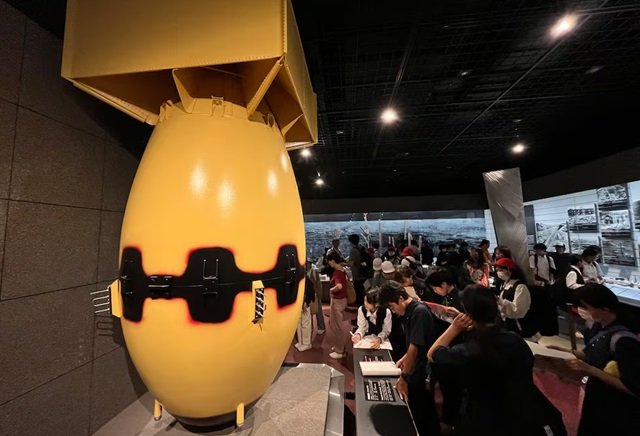
Mitoe Matsumoto was three years and four months old when an atomic bomb exploded over Nagasaki at 11.02am on 9 August 1945. Eighty-one years later, the 84-year-old Japanese survivor says the experience
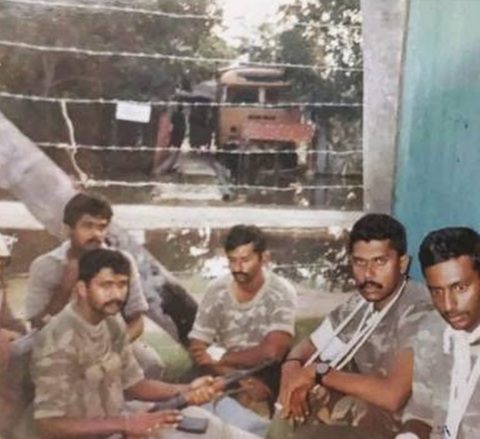
Pooneryn Terror Attack offers a compelling account of a pivotal battle in Sri Lanka’s civil war, exposing both the LTTE’s strategic planning and the vulnerabilities of the defending forces. Yet its commemorative perspective leaves difficult questions about command failures, civilian
A Neanderthal who died from a penetrating spear wound about 75,000 years ago had previously survived a severe facial injury that may have required
A 500-year-old bronze Buddha statue discovered buried near a roadside in Western Australia has been returned to China, ending years of uncertainty over its
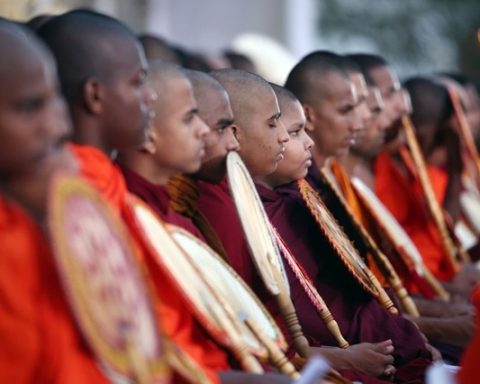
In the face of gradual decay of morals and ethical values in Sri Lanka, the land that carries a reputation of being the saviour of Buddhism, although the very institutions and their
More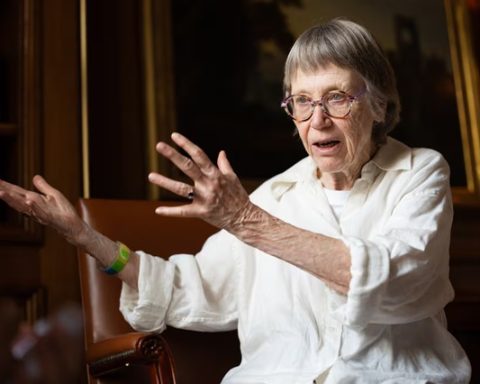
For more than half a century, philosopher Nancy Cartwright has examined one of the most fundamental questions in modern knowledge: how far can science truly explain the world around us? The American
More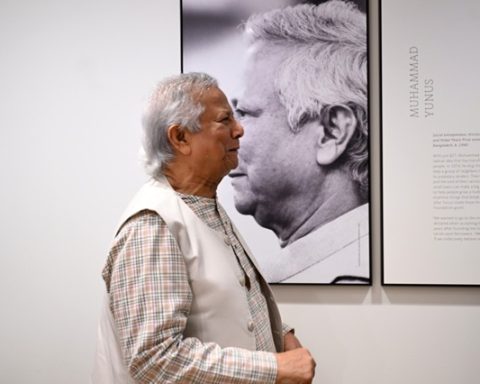
The forgotten glory of Bangladesh’s 1971 Liberation War still beckons the nation to reclaim its founding ideals, unity, courage, and destiny. But Bangladesh has, since 5 August 2024, been unlawfully brought under
More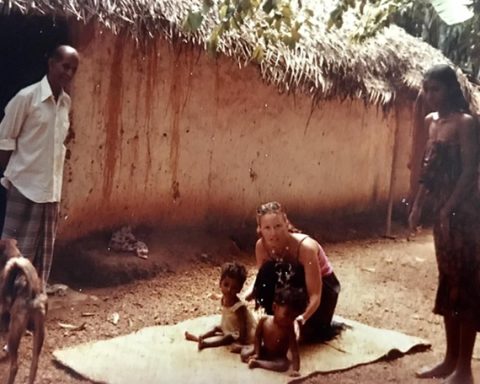
For more than three decades, a woman known here as Dilhani has lived in France, raised by the couple who adopted her as an infant from Sri Lanka. She was born at
More
The recent detention and release of former Chilean intelligence operative Armando Fernandez Larios has brought renewed attention to a decades-old case that continues to resonate across U.S. and Chilean legal history. According
More
History is never neutral. It can inspire, unite, justify, divide, or even become a weapon in the hands of political leaders. Few historians have explored this relationship between history and power as
More
This is the second and final part of this interview, the first part of which was published in yesterday’s edition. Seventeen years after the military defeat of the LTTE, Frerks sees Sri
More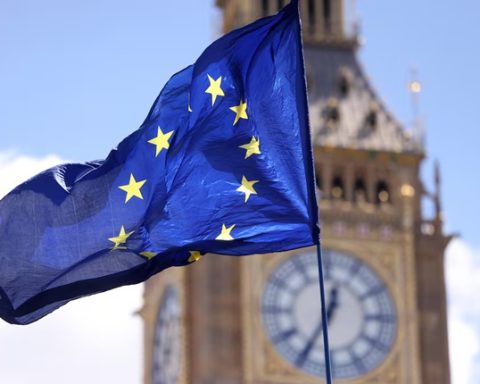
White liberals have been working for many decades teaching that all white ethnics are racists. They have been as successful in teaching white people to see themselves as racists as they have been
More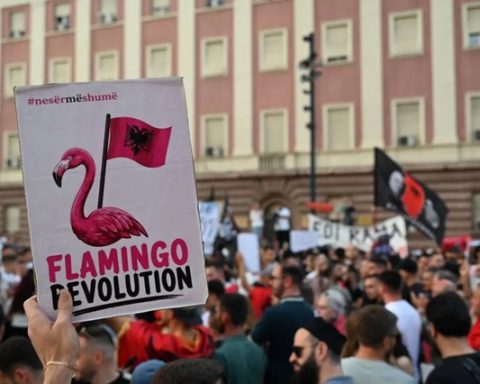
When one has witnessed not only a colour revolution in her own country (Macedonia, 2015–2016) but also sensed its arrival during Ukraine’s Euromaidan in 2014, every new outburst of supposedly spontaneous revolt provokes scepticism.
More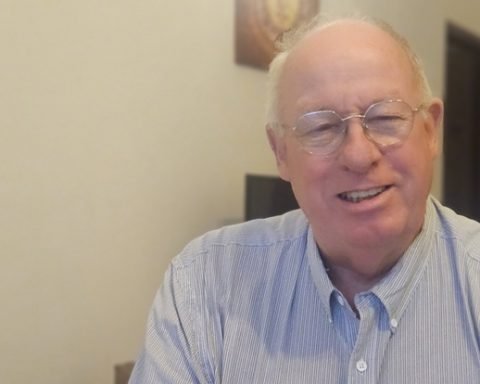
What happens when a country wins a war but fails to resolve the reasons that produced the war in the first place? Can a military victory over an armed movement create lasting
More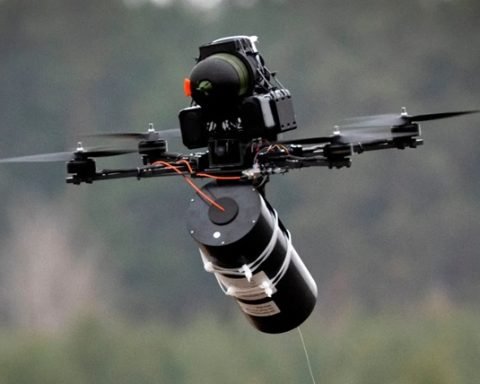
After the terrorist attacks of September 11, 2001, two concepts entered common political usage, the “war of necessity” and the “war of choice.” The first meant territorial defense and national survival and the second, a war
More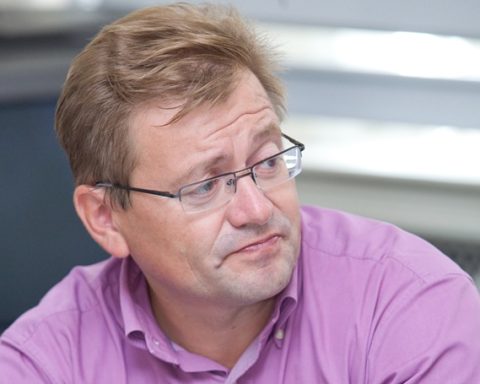
As Ukrainian drones continue striking oil depots, refineries and infrastructure inside Russia, the attacks have renewed debate over Moscow’s resilience and military capacity. Fuel shortages have emerged in some areas, while President
More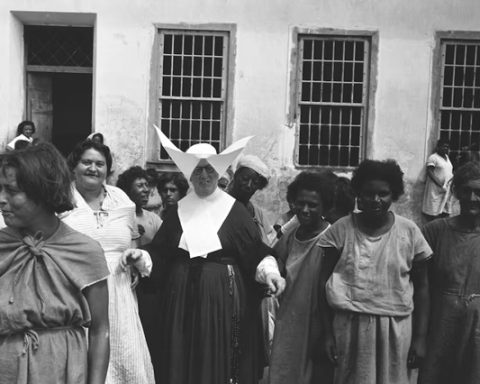
The children of women confined in Brazil’s infamous Barbacena Hospital-Colony are pursuing legal action against the state, reopening a chapter of institutional history marked by mass deaths, forced confinement, and the separation
More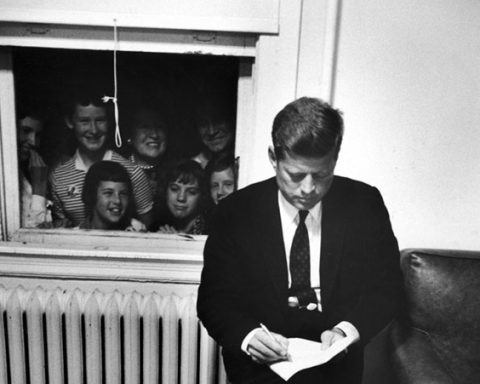
At a time when the United States is commemorating 250 years since the signing of the Declaration of Independence, a reflective feature published by El País examines the condition of the American
More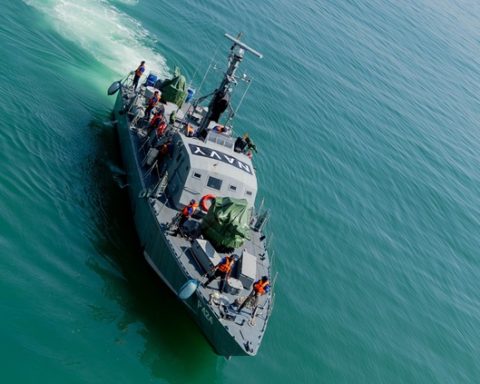
Sri Lanka’s military went through its bloodiest month in July 1996, thirty years ago. I lost two good friends, one in the Navy and one in the Army Special Forces, during “Operation
More