


Repeated negotiations have failed to bridge the divide between Pakistan’s security demands and the Taliban regime’s denials. With UN reports raising concerns over TTP activity, continued border violence threatening lives and trade,
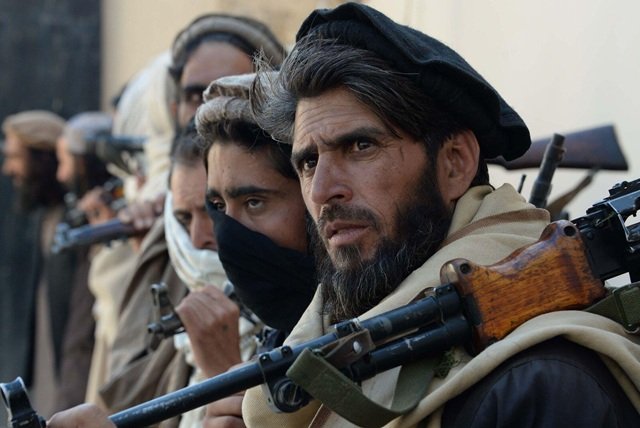
Repeated negotiations have failed to bridge the divide between Pakistan’s security demands and the Taliban regime’s denials. With UN reports raising concerns over TTP activity, continued border violence threatening lives and trade,
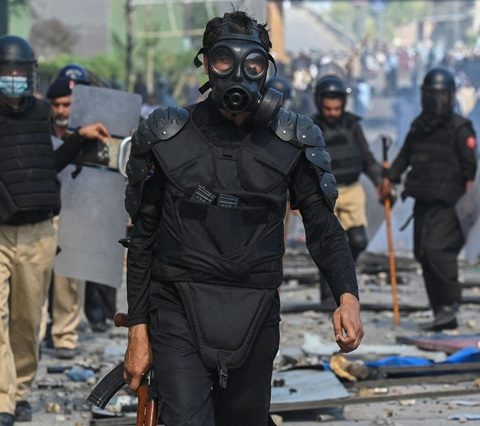
Pakistan’s imposition of governor’s rule in Khyber Pakhtunkhwa has triggered violent protests, a sweeping crackdown on Pakistan Tehreek-e-Insaf (PTI) leaders and supporters, and a legal challenge to the federal government’s actions. As Islamabad accuses the provincial administration of links to
Five years after the Taliban’s return to power, emerging resistance groups are reporting attacks across Afghanistan, including in the south. Political exclusion, abuses against
The latest campaign on Balochistan in Geneva shows how easily a complicated conflict can be reduced to a few emotionally powerful words. Occupation, repression
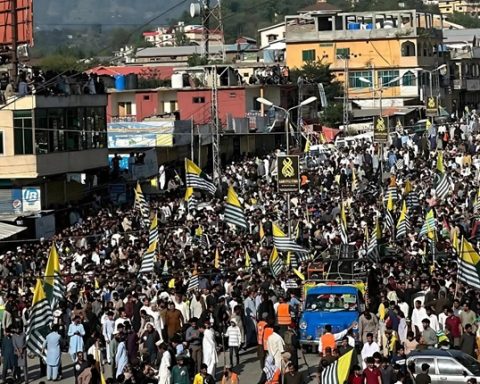
A State of Contradictions Startling contradictions define Pakistan’s posture today. To the outside world, Islamabad parades as a peace broker—courting Washington and Tehran with the language of diplomacy. Yet at home, the
More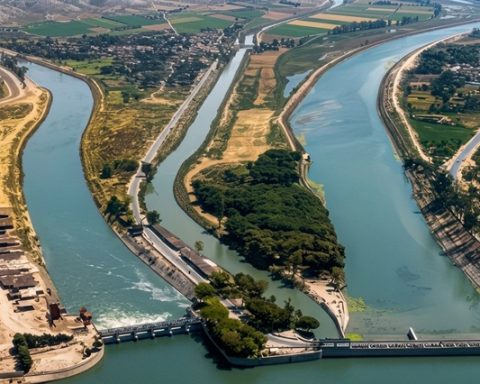
Water lies at the heart of South Asia’s economy and security. The Indus Basin supports approximately 300 million people and irrigates nearly 26 million hectares of agricultural land, making it one of
More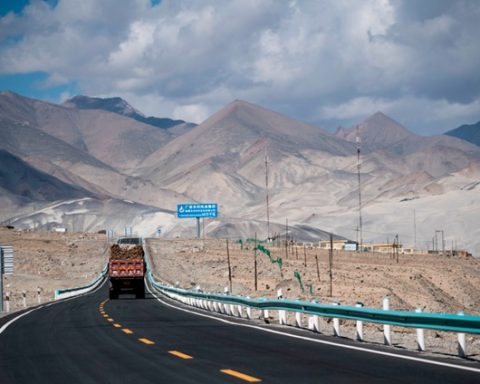
Pakistan’s Ambassador to Russia, Faisal Niaz Tirmizi, on June 4, 2026, at St. Petersburg International Economic Forum (SPIEF), declared an emerging geopolitical reality, stating that Pakistan would be a natural connector between Belt and Road
More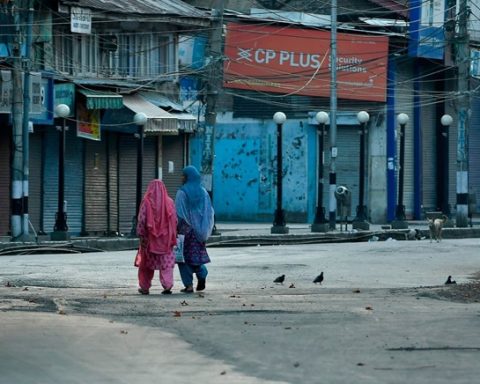
At the time of writing, Pakistan-occupied Jammu and Kashmir (PoJK) is on boil. Once again, serious unrest has had with authorities launching a widespread crackdown on protesters and opposition leaders, with sharp
More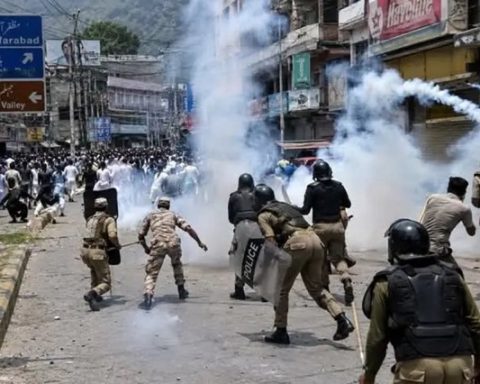
The recent incident in Rawalakot can be seen as one of the most disturbing incidents for the political landscape of Azad Jammu and Kashmir in recent times. Starting off as a political
More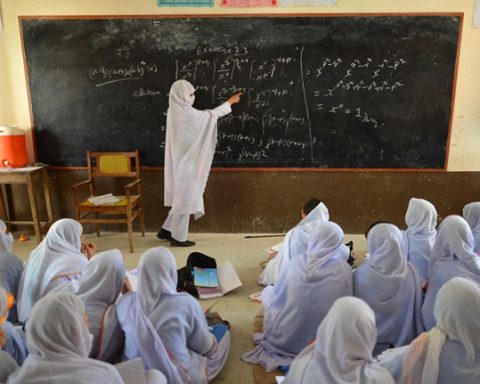
A nation’s decision to change itself within is an act of a certain determination. In the last few decades, Pakistan has gone through an unnoticeable but not unimpressible evolution in its approach
More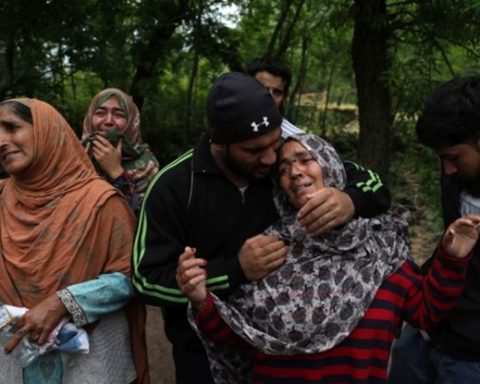
There is a version of Azad Jammu and Kashmir’s (AJK) story that goes untold amid the noise of strikes, long marches and shutdown calls. It is the story of a federal government
More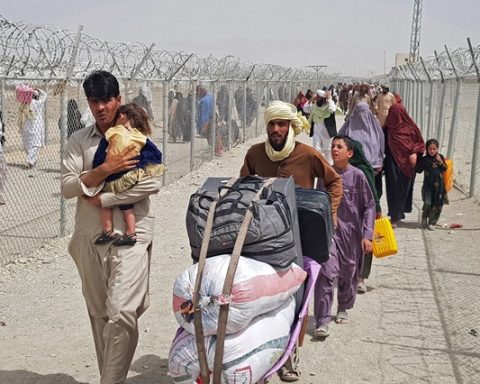
Guns have fallen silent along the Af-Pak border after deadly clashes between the Taliban and Pakistan, with only limited skirmishes continuing. The ceasefire maintaining this fragile calm along the border remains precarious,
More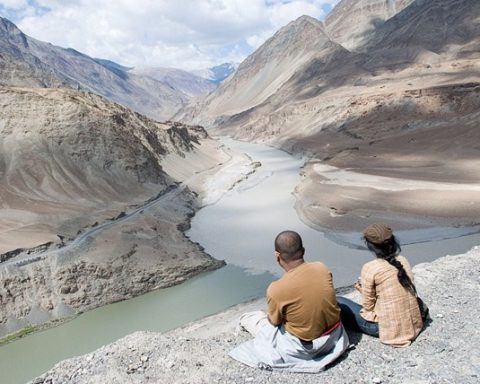
When India placed the Indus Waters Treaty (IWT) in abeyance last year, attention naturally focused on the diplomatic and legal consequences of the decision. Yet the more consequential question may lie elsewhere:
More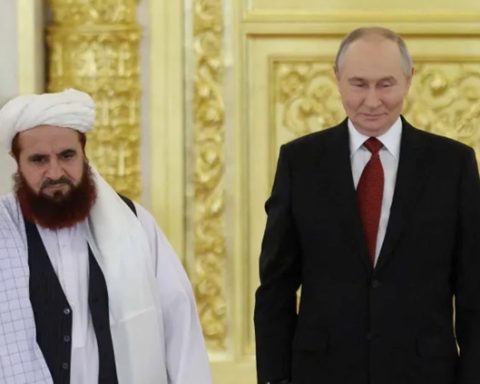
Pakistan has sought to project calm after Afghanistan’s Taliban government signed a new military technical cooperation agreement with Russia, arguing that the deal is limited in scope and will not fundamentally change
More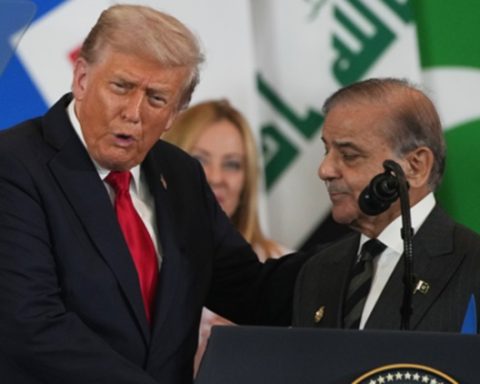
As tensions between Washington and Tehran threatened to escalate into a wider regional confrontation, the United States once again found itself relying on a familiar intermediary: Pakistan. The episode exposed a contradiction
More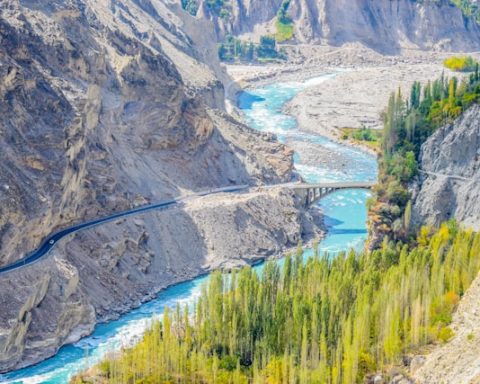
Water, in contemporary international relations, is far more than a natural resource; it is a strategic asset that shapes national power, environmental security, and state resilience. For Pakistan, a state of over
More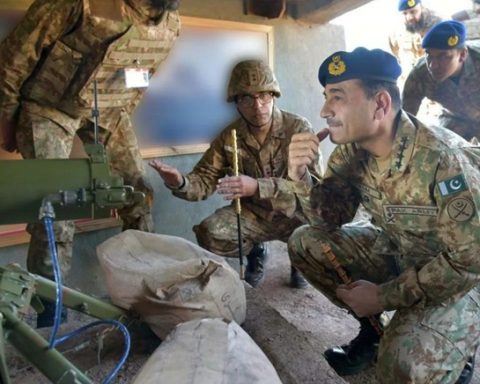
After months of mediation drama and so-called shuttle diplomacy by Field Marshal Asim Munir, there was a desperate attempt to secure strategic depth in the Middle East and rebuild ties with the
More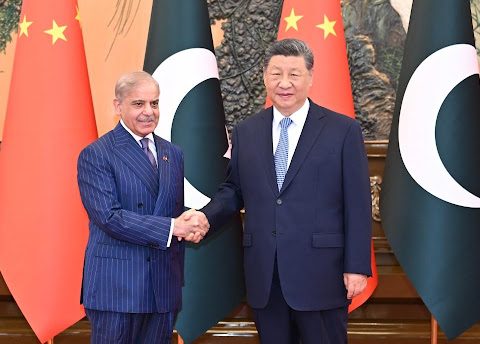
The joint statement issued after Prime Minister Shehbaz Sharif’s May 23-26 visit to China was not merely another ceremonial reaffirmation of friendship between Islamabad and Beijing. It reflected something deeper: the steady evolution of
More
On May 24, 2026, at least 30 people were killed and 50 were injured after a blast caused by a vehicle-borne suicide bombing tore through a shuttle train near Chaman Phatak in
More