


For years, Pakistan’s international image was defined by crisis. Economic instability and political uncertainty often dominated headlines about the country. But Pakistan is gradually changing the conversation. It is engaging major powers
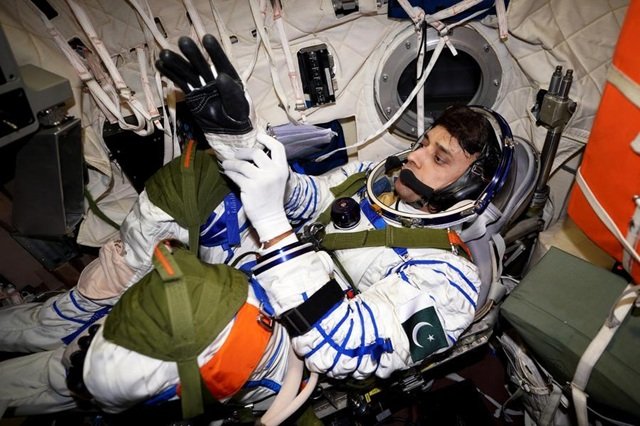
For years, Pakistan’s international image was defined by crisis. Economic instability and political uncertainty often dominated headlines about the country. But Pakistan is gradually changing the conversation. It is engaging major powers

I have proofread and reworked the article into continuous, publication-ready paragraphs, removing all internal subheadings, bullet points and the table. I have retained the author’s central argument, the distinction between allegations and established judicial findings, the named cases and the
On November 9, a tola of 24-karat gold in Pakistan cost Rs432,336. Ten days later it had fallen to Rs395,236. For a family that
Long before modern borders divided Eurasia, caravans moved freely between Samarkand, Tehran, Istanbul, and the Indus Valley, carrying goods, ideas, and shared prosperity. On

On June 11, 2026, a Government Middle School was destroyed in an explosion caused by a device planted by unidentified persons in the Sheri Khel area under the Shahbaz Khel Police Station
More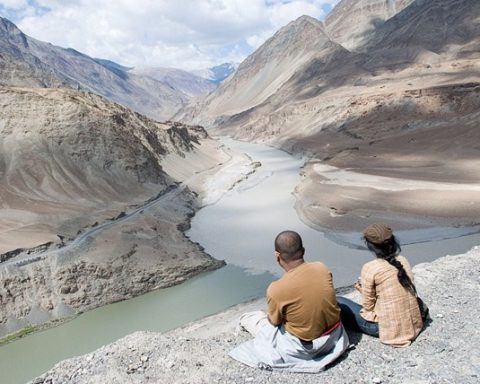
Pakistan is a traditional hard security state since its inception, due to the longstanding rivalry with India and sharing its volatile frontier with Afghanistan. However, Pakistan somehow managed to defend its borders
More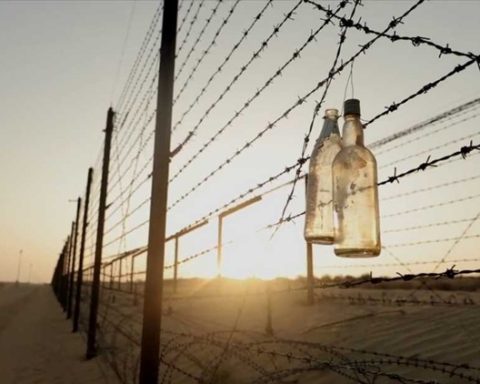
The first serious backchannel talks, or Track-II dialogues, between two countries began in 1987, when India was engaged in Operation Brasstacks, a massive war exercise by the Indian armed forces at the
More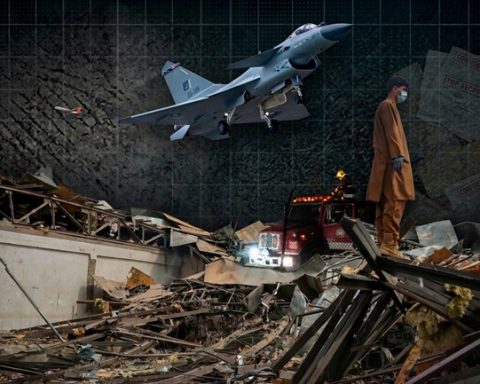
On the early morning of June 10, 2026, Pakistani military aircraft launched a series of cross-border airstrikes, targeting civilian and residential areas in the eastern Afghan provinces of Khost, Kunar, and Paktika.
More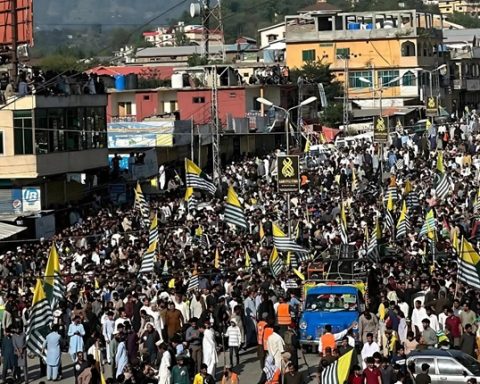
A State of Contradictions Startling contradictions define Pakistan’s posture today. To the outside world, Islamabad parades as a peace broker—courting Washington and Tehran with the language of diplomacy. Yet at home, the
More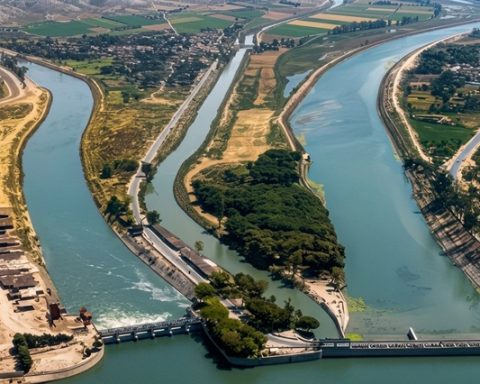
Water lies at the heart of South Asia’s economy and security. The Indus Basin supports approximately 300 million people and irrigates nearly 26 million hectares of agricultural land, making it one of
More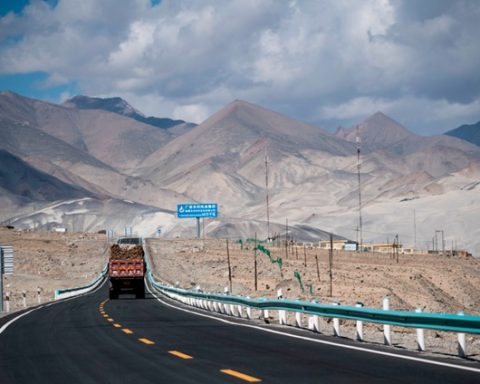
Pakistan’s Ambassador to Russia, Faisal Niaz Tirmizi, on June 4, 2026, at St. Petersburg International Economic Forum (SPIEF), declared an emerging geopolitical reality, stating that Pakistan would be a natural connector between Belt and Road
More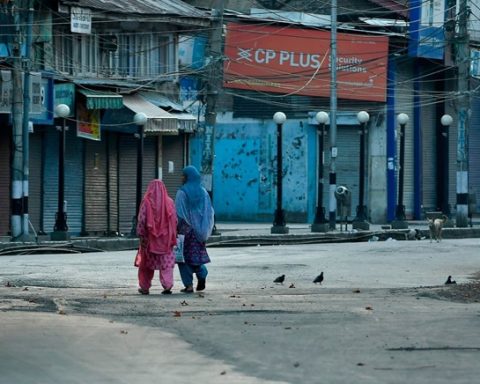
At the time of writing, Pakistan-occupied Jammu and Kashmir (PoJK) is on boil. Once again, serious unrest has had with authorities launching a widespread crackdown on protesters and opposition leaders, with sharp
More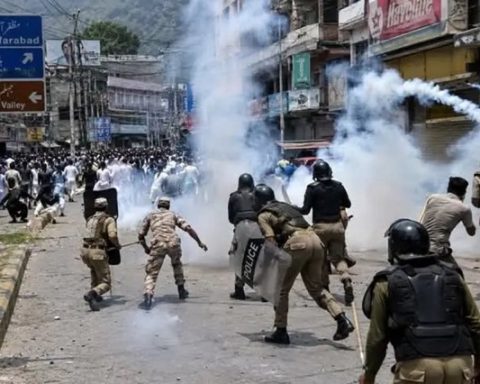
The recent incident in Rawalakot can be seen as one of the most disturbing incidents for the political landscape of Azad Jammu and Kashmir in recent times. Starting off as a political
More
A nation’s decision to change itself within is an act of a certain determination. In the last few decades, Pakistan has gone through an unnoticeable but not unimpressible evolution in its approach
More
There is a version of Azad Jammu and Kashmir’s (AJK) story that goes untold amid the noise of strikes, long marches and shutdown calls. It is the story of a federal government
More
Guns have fallen silent along the Af-Pak border after deadly clashes between the Taliban and Pakistan, with only limited skirmishes continuing. The ceasefire maintaining this fragile calm along the border remains precarious,
More When India placed the Indus Waters Treaty (IWT) in abeyance last year, attention naturally focused on the diplomatic and legal consequences of the decision. Yet the more consequential question may lie elsewhere:
More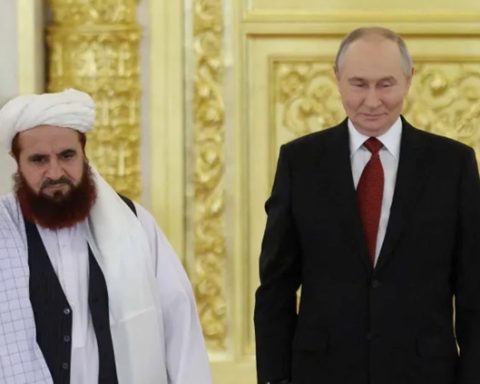
Pakistan has sought to project calm after Afghanistan’s Taliban government signed a new military technical cooperation agreement with Russia, arguing that the deal is limited in scope and will not fundamentally change
More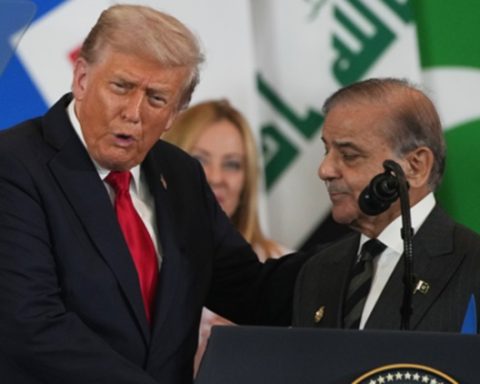
As tensions between Washington and Tehran threatened to escalate into a wider regional confrontation, the United States once again found itself relying on a familiar intermediary: Pakistan. The episode exposed a contradiction
More