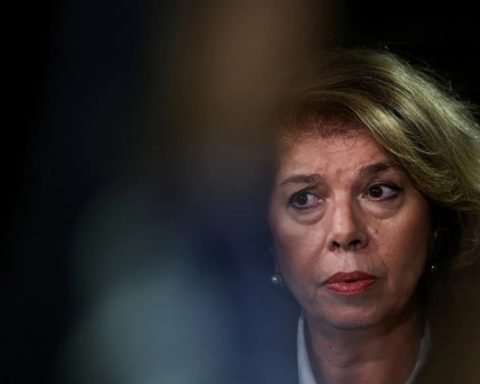
Japan is pressing the United States for more forceful public support of Prime Minister Sanae Takaichi after her warning that a Chinese attack on Taiwan could pose an “existential threat” to Japan — a statement that triggered furious backlash from Beijing. According to reporting from the Financial Times, officials in Tokyo are frustrated that top US leaders have offered only muted backing, even as China threatens retaliation and intensifies military pressure near Japanese territory.
Shigeo Yamada, Japan’s ambassador to Washington, has privately urged the Trump administration to upgrade its public support, people familiar with the discussions told the Financial Times. The request follows days of escalating Chinese rhetoric, economic threats and travel warnings, along with what Tokyo says were dangerous encounters between Chinese and Japanese military aircraft. Defense minister Shinjiro Koizumi said Chinese warplanes locked their radars onto Japanese fighter jets southeast of Okinawa, calling the incident “extremely regrettable.”
Washington has issued only limited statements. George Glass, the US ambassador to Japan, said last month that Trump and his team “have her back.” But beyond that, public support has been thin. After earlier requests from Tokyo, US officials indicated a strong statement was forthcoming, only for Japan to be disappointed when it turned out to be a single social-media post by the State Department’s deputy spokesperson. A follow-up call this week between Deputy Secretary of State Chris Landau and Japan’s senior foreign ministry official reaffirmed the alliance but made no mention of China’s aggressive response toward Takaichi.
The Financial Times reports that Japan does not believe the US is wavering in its security commitments. Rather, the deep disappointment stems from the lack of visible public backing at a moment of heightened tension with China. Analysts and former officials say Takaichi’s remarks deserved a much stronger response from Washington. Christopher Johnstone, a former White House Japan official, said her comments were the clearest ever made by a Japanese prime minister regarding Tokyo’s readiness to support US forces in a Taiwan conflict. “Washington should have embraced” the statement, he said, yet it was “met largely with silence.”
Some observers note the irony: Elbridge Colby, the US under-secretary of defense for policy, had previously pressed Japan to clarify its role in a Taiwan contingency. But when Takaichi did exactly that, US support appeared tepid. Even as Tokyo faced threats from a Chinese consul-general in Osaka — who suggested in a now-deleted post that Takaichi should be killed — Trump offered no personal backing. Asked about the threats in a Fox News interview, he responded only with the remark, “A lot of our allies aren’t our friend.”
Several former officials say the White House should have responded more forcefully. Randy Schriver, former Pentagon Asia chief, said both the threats and China’s intimidation warranted a robust defense of the Japanese leader. Dennis Wilder, a former senior Asia adviser in the George W. Bush administration, called the silence “perplexing” and “unnerving” for both Tokyo and Taipei. Nicholas Burns, former US ambassador to China, told the Financial Times that Takaichi “deserves our full public support” in the face of Beijing’s attempts to weaken the US-Japan alliance.
The stakes continue to climb. Japan’s defense ministry confirmed that a Chinese J-15 fighter directed its radar at Japanese military aircraft twice on Saturday over international waters southeast of Okinawa. Koizumi said Japan has demanded China take steps to prevent further incidents.
The tension unfolds against the backdrop of Trump’s desire to avoid anything that could jeopardize his October trade deal with Xi Jinping. According to the Financial Times, several people familiar with a recent call between Trump and Takaichi said the US president expressed a preference for avoiding escalation with China but stopped short of telling her not to act.
As Beijing intensifies its pressure and Tokyo grows increasingly alarmed, Japanese officials continue to push Washington for clearer, louder, and more decisive public backing — something they believe is essential to deterring China and preserving the credibility of the US-Japan alliance.