


After being massively repudiated in Tuesday’s midterm election, Donald Trump has become a lame-duck president with significantly curtailed authority. What is likely to happen in the remaining two years until a new
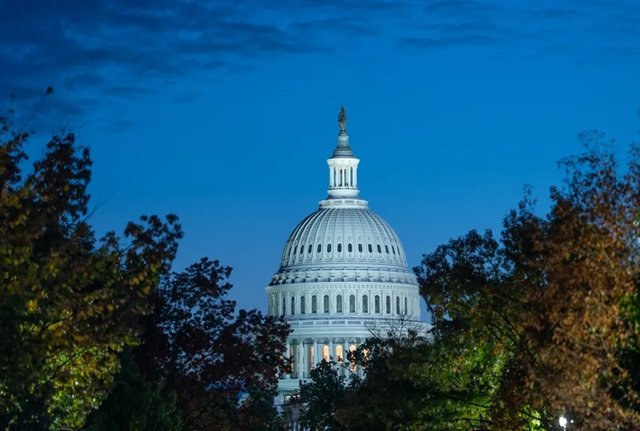
After being massively repudiated in Tuesday’s midterm election, Donald Trump has become a lame-duck president with significantly curtailed authority. What is likely to happen in the remaining two years until a new
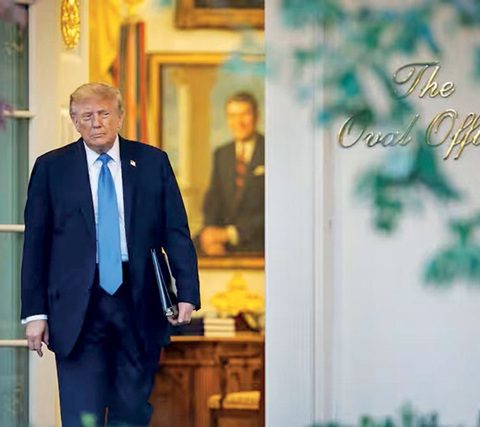
That was exquisite, but not surprising. The result was a manifestation of frustration and anger towards Trump, and it cannot be mistaken for a deeper endorsement of the Democratic Party. An electorate can reject a president without embracing his opponents,
On November 3, President Trump signed an executive order declaring a “national emergency.” The “emergency” is due to “the unusual and extraordinary threat to
India’s effort to strengthen its water security against China is generating a domestic crisis along its strategically sensitive northeastern frontier. On October 23, 2026,
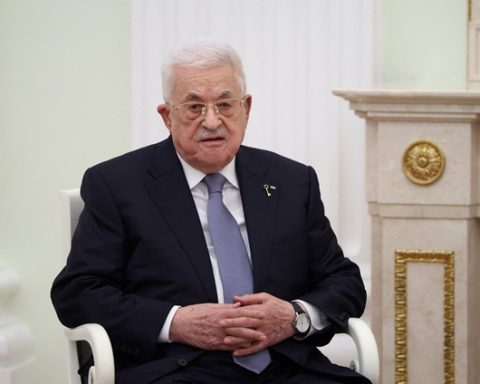
Palestinian President Mahmoud Abbas has postponed legislative elections scheduled for next month until 11 September 2027 and called for a presidential election on the same date, citing Israeli restrictions and security conditions
More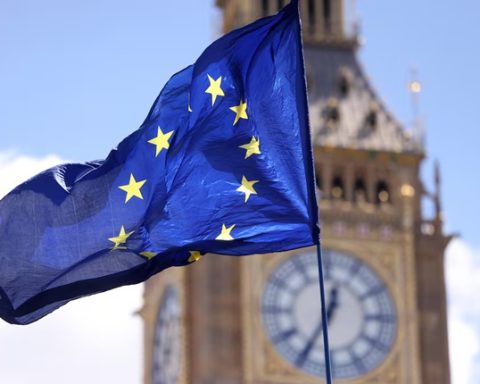
Britain’s emerging debate over rejoining the European Union is colliding with a fundamental change in the bloc it left a decade ago, as European governments adopt more protectionist economic policies, expand defence
More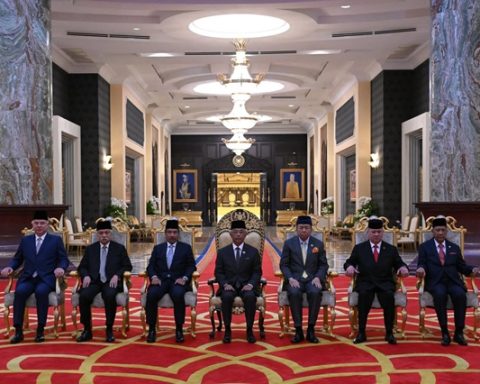
A dispute over the legitimate ruler of Malaysia’s Negeri Sembilan state has escalated into a constitutional crisis, leaving its chief minister without an executive council and exposing tensions between traditional royal authority,
More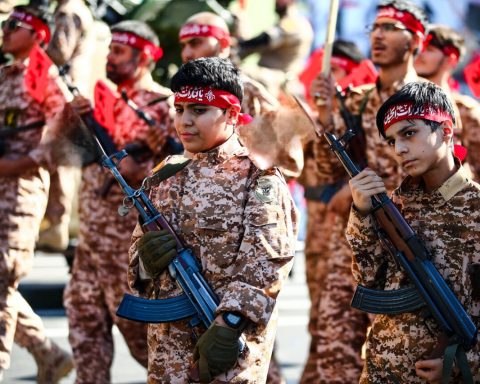
Iran has launched a nationwide civilian mobilisation campaign combining military training, emergency preparedness and financial incentives as the country faces a prolonged conflict with the United States, worsening economic hardship and renewed
More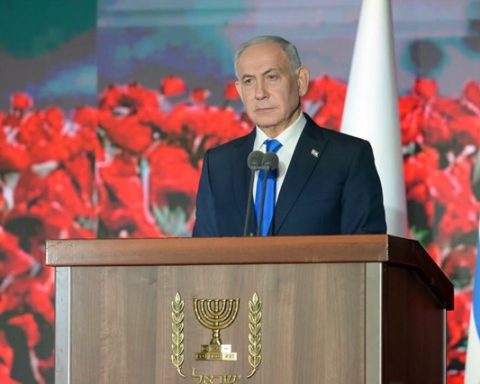
Israel’s approaching parliamentary election on 27 October has intensified an increasingly personal debate among liberal Israelis about whether the country remains a place where they can live, work and raise their children.
More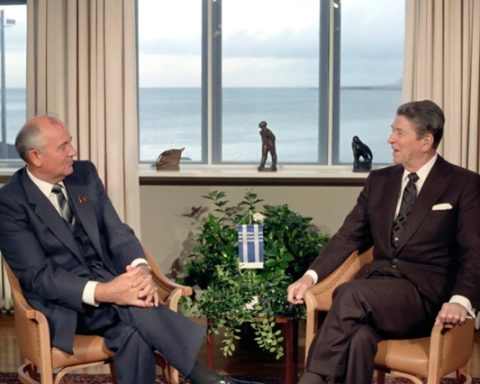
President Ronald Reagan seriously considered a Soviet proposal to eliminate all nuclear weapons by the year 2000, challenging the view that Washington dismissed the initiative as propaganda, according to declassified documents released
More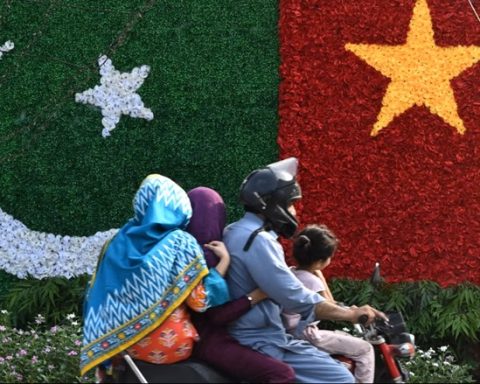
Balochistan’s vast mineral wealth has become a strategic prize in China’s quest to secure critical resources and sustain its industrial ambitions. But as Beijing deepens its engagement through mining ventures and the
More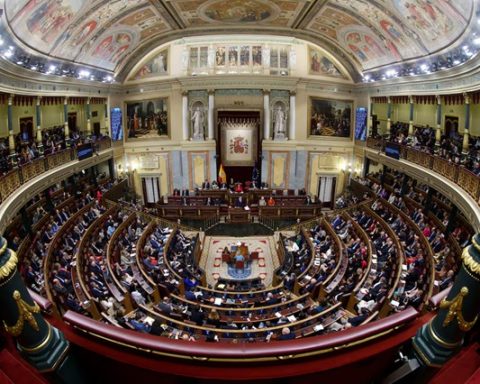
Political debate in Spain’s parliament has become increasingly confrontational, with negative rhetoric rising sharply in plenary sessions since 2017, according to a study analysing 48,191 parliamentary speeches and interventions between 1996 and
More
When Frank Patalong discovered in the spring of 2026 that his grandfather had joined the Nazi Party, the revelation shattered a family story he had accepted since childhood. Eduard Patalong, a coal
More
German Chancellor Friedrich Merz faces a critical few weeks as electoral setbacks, internal party divisions and renewed tensions within his governing coalition threaten his political authority. With the Christian Democratic Union (CDU)
More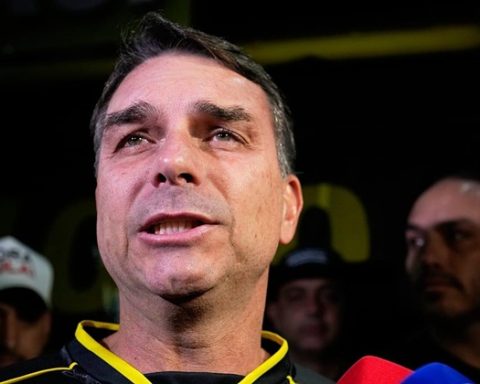
BRICS is seeking to reshape the international balance of power through new development finance, alternative payment systems and greater use of national currencies. Yet its ambitions face formidable obstacles, from Western financial
More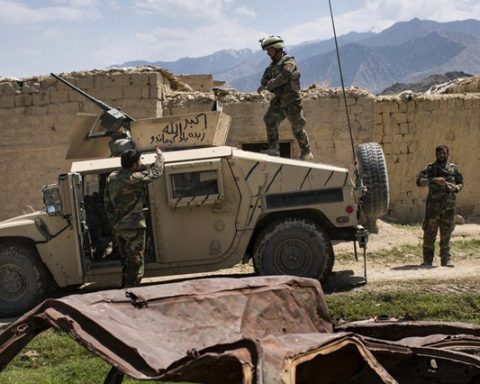
The failure of regional consultations in Moscow to produce a joint statement highlights a widening rift over terrorism in Afghanistan. While Russia welcomes the Taliban’s campaign against ISIS-K, Pakistan remains concerned about
More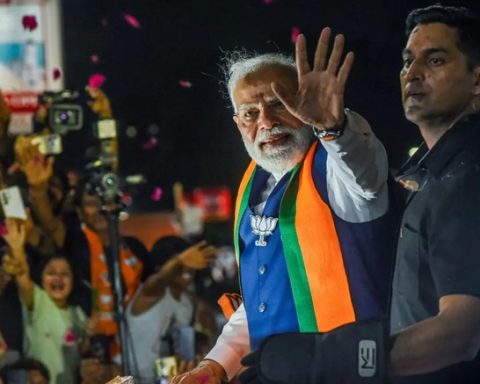
India’s sweeping voter-roll revision has triggered a growing political and constitutional controversy, with millions of names reportedly removed from draft electoral lists, opposition lawmakers challenging the Election Commission, and concerns emerging over
More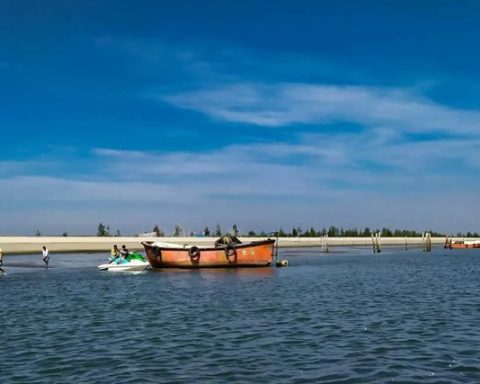
Maheshkhali has become a test of Bangladesh’s sovereignty amid intensifying US–China rivalry in the Indo-Pacific. Dhaka must resist external pressure, protect its national interests, and pursue international partnerships on its own terms.
More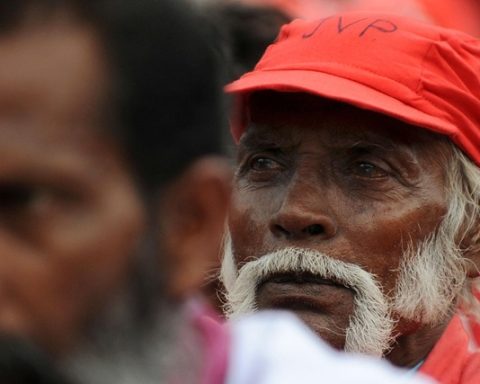
The JVP’s journey from armed insurrection to democratic power raises a troubling question about political survival: can a movement built on resistance deliver meaningful change once it governs? This critique argues that
More