


The National Security Archive has published a collection of 12 significant historical documents marking four decades since the Iran-Contra scandal exposed serious abuses of executive power within the administration of US President
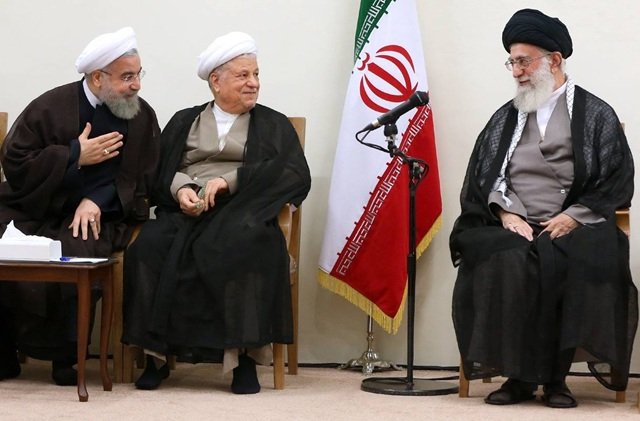
The National Security Archive has published a collection of 12 significant historical documents marking four decades since the Iran-Contra scandal exposed serious abuses of executive power within the administration of US President
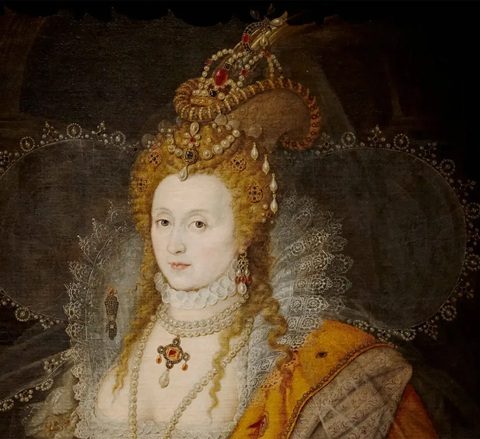
by Durga Iain Gately’s The Queen’s Pirate: The Triumphant Life and Tragic End of Thomas Cavendish begins with an image that seems almost designed to dismantle the mythology of Elizabethan maritime glory. On 11 June 1593, the Desire limped into
Earlier this year, the axis of politics appeared to favour the far right of a special type and its hyper-imperialist ambitions. The United States,
The absence of a single African representative at the Berlin Conference of 1884–85, where European powers established rules for dividing the continent among themselves,
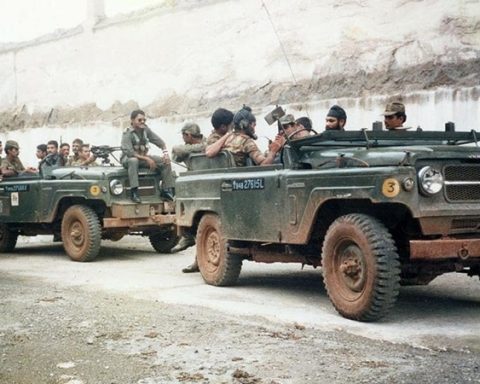
by Luxman Aravind When history is written by victors and erased by allies, truth becomes the first casualty. Nowhere is this more evident than in the brutal, unspoken legacy of India’s involvement
More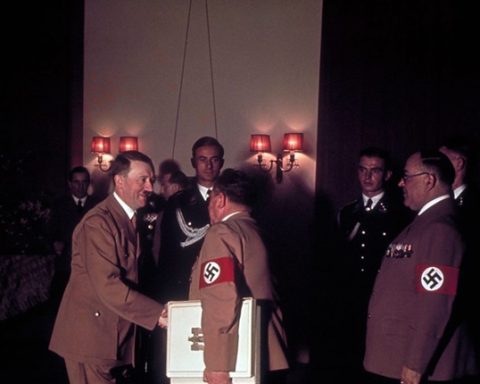
As we approach a major anniversary – 80 years since the defeat of fascism – a strange silence hangs over my country, Macedonia, and the broader region we now call the territory
More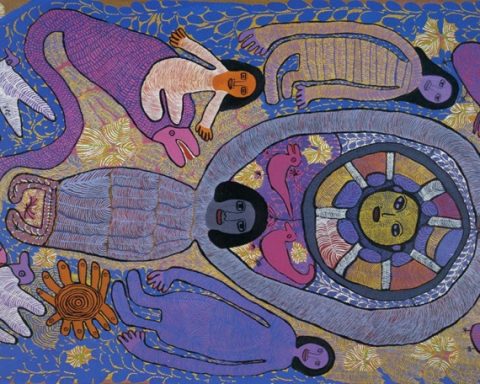
On a stormy August night in 1791, Dutty Boukman (1767–1791) and Cécile Fatiman (1771–1883) conducted a Vodou ceremony at Bois Caïman in northern Saint-Domingue, in the French-owned part of Hispaniola. Boukman was
More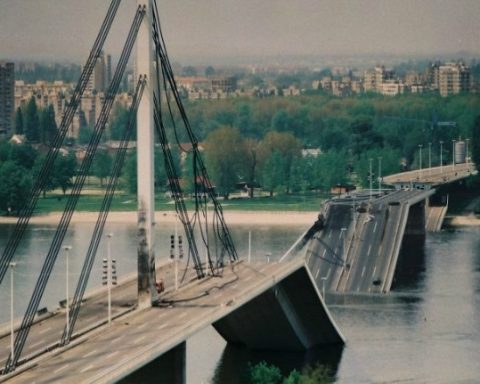
In September 2024, a well-known media outlet from Albania reached out to me for my perspective on a recent €2.7 billion deal between France and Serbia, signed by Presidents Macron and Vučić, to provide
More
Newly declassified files related to the assassination of President John F. Kennedy have reignited theories of a covert coup, implicating intelligence agencies from both Australia and the United Kingdom. Former Australian lawmaker
More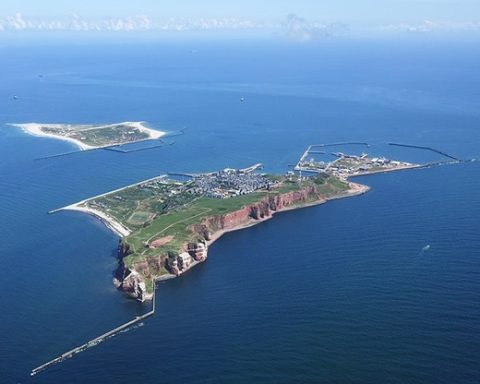
Once a small but strategic British colony, Heligoland played a crucial role in European geopolitics before being forever altered by one of history’s most powerful explosions. Britain controlled the 1-square-mile island from
More
Britain’s so-called ‘Great Experiment’ in Mauritius, which followed the abolition of slavery, was far from a noble endeavor. Instead, it was a calculated system of social engineering that left deep scars on
More
The struggle for justice remains unresolved. A matter that once seemed settled—the fate of war criminal ATM Azhar, whose execution appeared imminent—has been brought into question once again. What was once a
More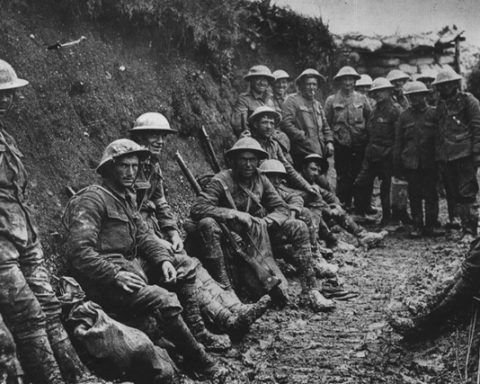
A controversial new claim by New York Times bestselling author Richard Poe suggests that the United Kingdom played a pivotal role in provoking World War I and the Bolshevik Revolution to further
More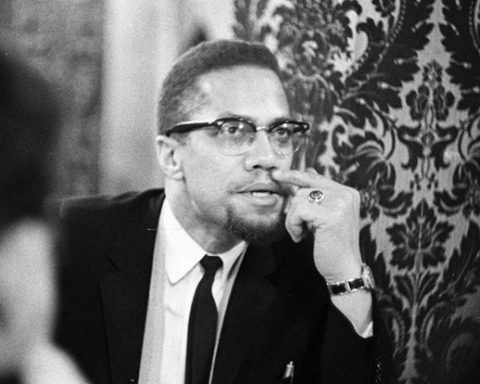
Born Malcolm Little on May 19, 1925, in Omaha, Nebraska, he entered a world that had already marked him for struggle. His father, a Baptist minister and fervent disciple of Marcus Garvey’s
More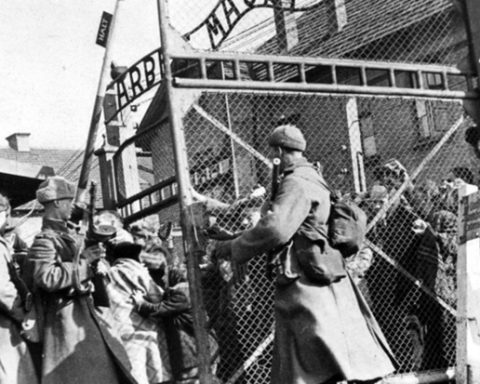
On January 27, 1945, soldiers of the Soviet Red Army made a grim and historic discovery. As they entered the gates of Auschwitz-Birkenau, the largest and most notorious Nazi concentration and extermination
More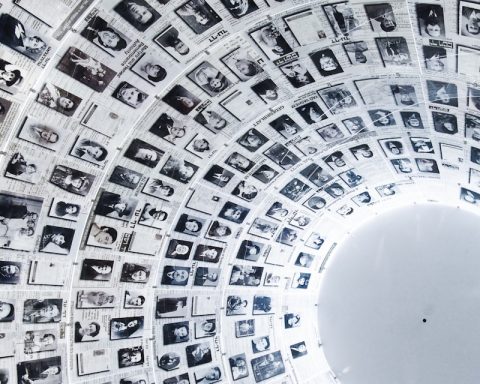
A new survey by the Claims Conference has highlighted a disturbing decline in Holocaust awareness among young Germans, with one in nine adults unaware of the atrocity, and a quarter unable to
More
The death of Lucius Cary, the 2nd Viscount Falkland, at the First Battle of Newbury in 1643 has long been a subject of fascination. While many have interpreted his fatal charge toward
More
The striking paradox is that science tells us both that we’re peripheral in the cosmic scheme of things and central to the reality we uncover. Unless we understand how this paradox arises
More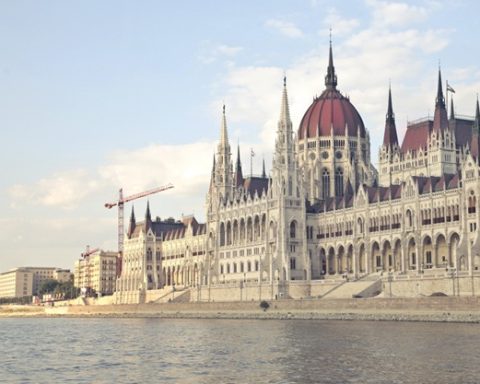
Adam LeBor’s The Last Days of Budapest: Spies, Nazis, Rescuers and Resistance is an evocative and unflinching examination of one of history’s most tumultuous moments, a harrowing narrative set against the crumbling
More