


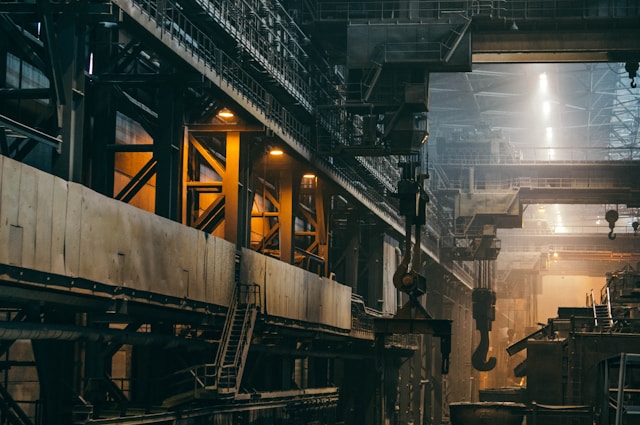
The prolonged strike by a section of workers at the Samsung Electronics factory near Chennai is a matter of serious concern.
It appears that the issue is not related to wages or working conditions, as the management is said to have agreed to the employees’ demands. Rather, it concerns the recognition of a particular trade union, which is an official wing of the Marxist Communist Party. Therefore, the issue seems to be more political than about employee welfare.
While the concept of trade unions is well-recognised, the reality today is that almost all trade unions in India are affiliated with political parties. Consequently, they have become politicised, focusing more on their political agenda than on the welfare of employees. In many cases, trade union agitations are initiated by their political masters. This has made the trade union movement in India a controversial issue.
It is a separate question whether Samsung management’s reluctance to recognise a trade union is appropriate. These companies often employ a consultative approach with employees to resolve issues, which is typical of multinational organisations. In several multinational companies in China, for instance, trade unions are not recognised, and the Chinese government does not appear to object. If this is the policy of a multinational organisation, then it is up to the Indian government to decide whether such companies should be welcomed in the country.
At the same time, it must be acknowledged that most multinational companies in India offer fair, if not superior, wages and benefits compared to some Indian companies.
With Samsung management taking a firm stance and the politicised trade union also standing firm on recognition, the situation seems to have reached an impasse.
In such a scenario, it is important that the striking workers, aligned with the politicised trade union, do not resort to militant actions or violent protests.
One cannot help but recall the experience with Sterlite Copper in Tuticorin, Tamil Nadu, which has been closed for more than four years. Allegations of environmental pollution were made against the Sterlite Copper unit, which the company denied. The Pollution Control Board and the Green Tribunal permitted the unit to operate under specific conditions. However, political parties and environmental activists led mass protests, which turned violent, resulting in loss of lives and the eventual closure of the unit by the government. It is notable that most of the direct and indirect employees of Sterlite Copper, who worked at or lived near the premises, did not protest against the plant’s operation.
Similarly, several Samsung employees have stated in social media interviews that they have worked for the company for many years and are fully satisfied with the working conditions, seeing no need for a strike.
The closure of Sterlite Copper turned India from a net exporter to a net importer of copper, and hundreds of direct and indirect employees lost their jobs, with many families now in dire straits. Tamil Nadu also lost considerable tax revenue. Even after four years of closure, there has been no noticeable improvement in the environmental conditions in the Tuticorin region, suggesting that Sterlite Copper was not the main cause of pollution. In other words, politically motivated activist groups ensured the closure of Sterlite Copper, to the detriment of all.
A similar situation must not occur with Samsung. Continued agitation, political involvement, and potential violent protests could lead to the intervention of law enforcement and possibly a lockout of the unit.
The closure of Samsung in Tamil Nadu would result in significant losses for the state, with hundreds of direct and indirect jobs at stake. It would also send a negative international signal about the industrial climate in Tamil Nadu, where a politically motivated trade union could effectively shut down a company over an issue that is not driven by employee grievances, but by political demands for union recognition.










Good report. More could have been told about CITU. Many factories in INDIA, more particularly in Tamil Nadu have been forced to close, because of the wrong attitude of CITU.