


Germany has appointed its first woman to command a naval base, with 38-year-old frigate captain Lydia Knaak taking charge of the strategically important installation at Eckernförde on the Baltic coast. The appointment
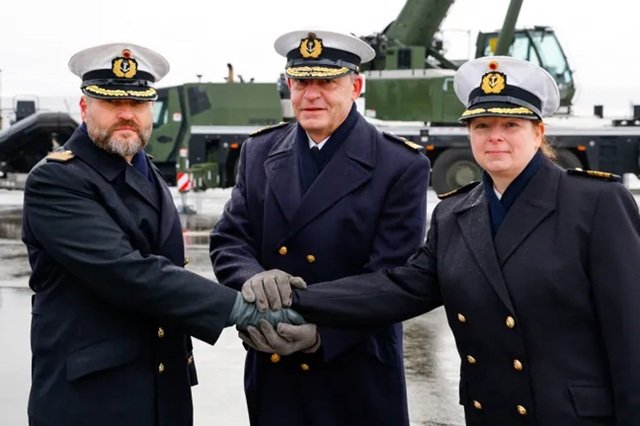
Germany has appointed its first woman to command a naval base, with 38-year-old frigate captain Lydia Knaak taking charge of the strategically important installation at Eckernförde on the Baltic coast. The appointment
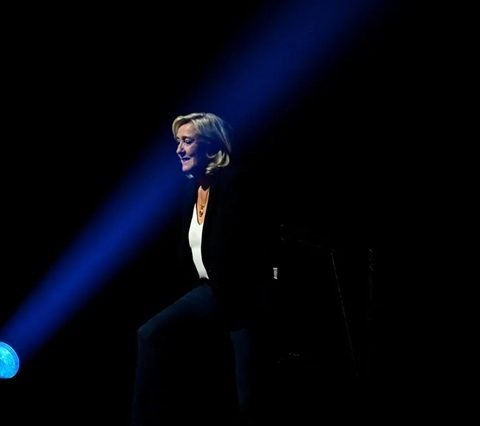
French President Emmanuel Macron has publicly rebuked far-right leader Marine Le Pen, telling her to show greater humility after she accused him and the European Commission of attempting to push through an agreement on the European Union’s next long-term budget
Switzerland is preparing for a closely contested referendum on whether to relax restrictions on exports of Swiss-made weapons, reopening a debate over the country’s
The European Union and Indonesia have signed a free trade agreement and an investment protection agreement, concluding nearly a decade of negotiations as Brussels
Europe is confronting a rapidly evolving security crisis as hybrid threats—ranging from proxy violence to cyberattacks—spread across the continent, exposing deep vulnerabilities in national defenses and social cohesion. A recent stabbing in
More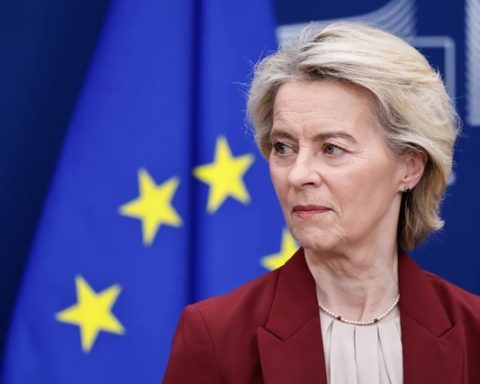
The European Union is preparing a sweeping overhaul of its industrial policy through a proposed “Made in Europe” framework under the Industrial Accelerator Act, signaling a decisive shift toward economic self-reliance and
More
Ukraine is entering 2026 with its survival increasingly tied to external financing, as war, demographic collapse, and the withdrawal of key international support converge into a deepening economic emergency. This week, the
More
“What we are seeing is the redistribution of the ways that they funnel money,” Ella Rosenberg says, describing a shift that reflects not only tactical adaptation but a structural evolution in how
More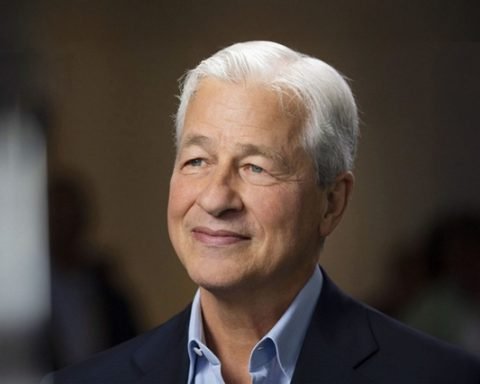
JPMorgan Chase has announced a significant expansion of its sweeping $1.5 trillion Security and Resiliency Initiative (SRI), extending the program beyond the United States into Europe in what the bank describes as
More
Few living figures embody Hungary’s turbulent modern history as fully as Paul Lendvai. Born in 1929 in Budapest, he survived the Holocaust, was imprisoned under communism, fled the country after the failed
More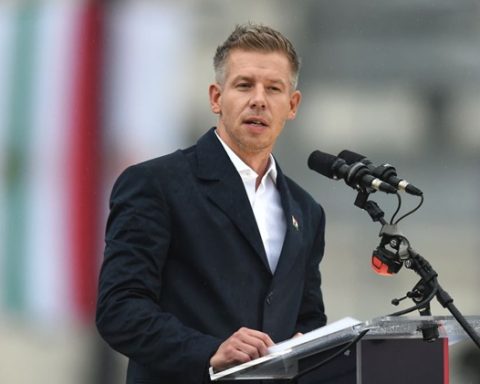
Hungary’s parliamentary elections over the weekend marked a dramatic turning point in the country’s modern political history, as voters decisively removed Prime Minister Viktor Orbán and his Fidesz party from power after
More
The ongoing U.S.-Israeli war against Iran is being described by analysts as a disruptive force multiplier for terrorism risks across Europe and nearby regions such as Türkiye, according to the assessment provided
More
In the heart of the European Union, a bold exhibition is forcing an uncomfortable question into public debate: has Europe truly moved beyond its colonial past, or is it still living in
More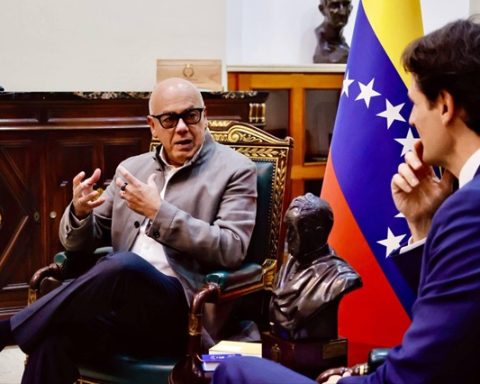
Venezuela and the European Union have taken a significant step toward deepening economic and technological cooperation following high-level meetings held in Caracas on April 16. Venezuelan authorities and EU representatives agreed to
More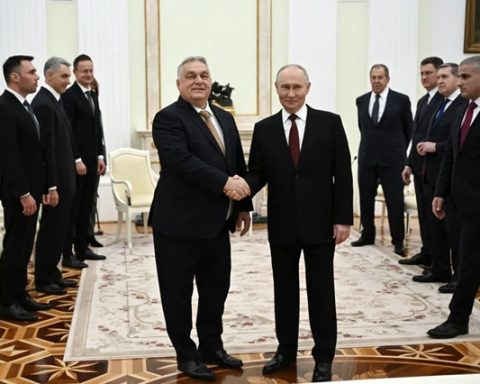
Viktor Orbán has spoken candidly about the emotional toll of his dramatic election defeat, describing a sense of “pain and emptiness” after losing power following 16 years at the helm of Hungary.
More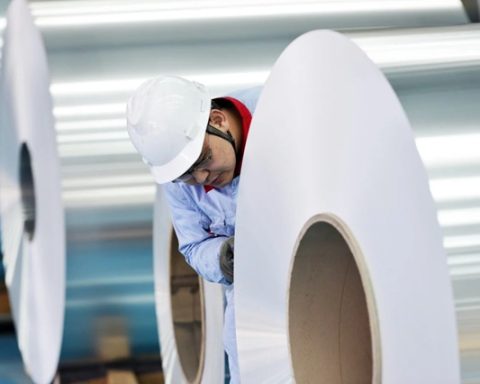
As Brussels tightens its rules on foreign investment, a new geopolitical and economic fault line is emerging over China’s expanding industrial footprint in Europe, raising questions about whether the continent should embrace
More
by Luxman Peter Magyar has emerged as the most significant challenger to Hungary’s long-entrenched political order in more than a decade, positioning himself as the man capable of ending Viktor Orban’s 16-year
More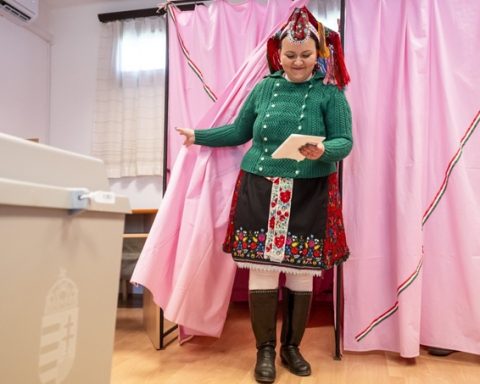
Early results from Hungary’s 2026 parliamentary elections indicate a major political upheaval, with the opposition Tisza Party emerging as the dominant force in the National Assembly. According to preliminary figures released by
More For sixteen years, Prime Minister Viktor Orban has won every fight: four consecutive parliamentary supermajorities for his party, Fidesz; a constitution rewritten to his specifications; courts, media, and oligarchs brought to heel.
More