


Hundreds of major cities around the world are sinking by several millimetres a year, with the fastest rates recorded in parts of Mexico, Iran and South-east Asia, according to a study published
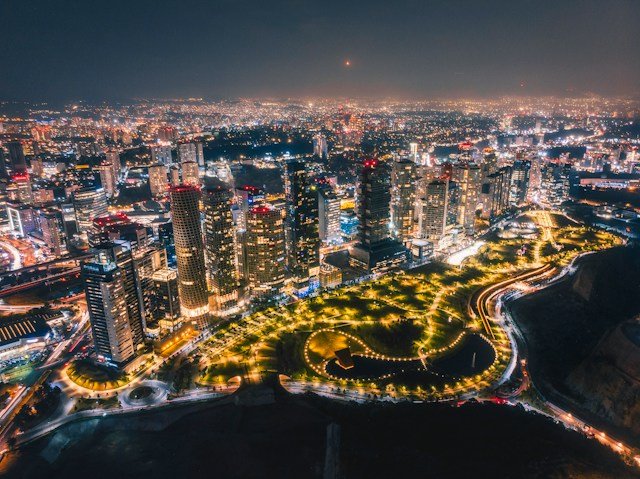
Hundreds of major cities around the world are sinking by several millimetres a year, with the fastest rates recorded in parts of Mexico, Iran and South-east Asia, according to a study published

Pacific nations have called for a major increase in global efforts to reduce greenhouse gas emissions, warning that every additional fraction of a degree of warming will intensify rising seas, extreme weather and the damage already confronting vulnerable island communities.
The climate experienced by previous generations is already disappearing, according to Carlo Buontempo, director of the Copernicus Climate Change Service, who says record temperatures,
Sri Lanka has every right to speak forcefully on Palestine and international justice. But moral authority abroad cannot substitute for diplomatic precision at home.
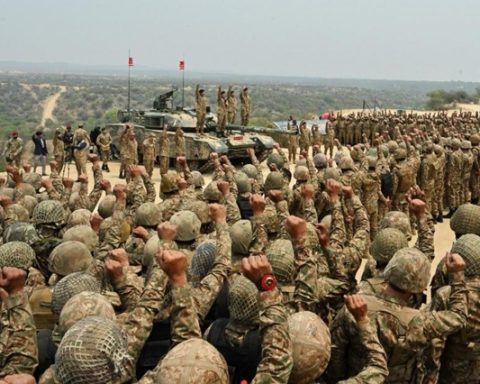
Climate change has compounded natural disasters, making them increasingly complex and challenging to manage as security issues, particularly for climate-vulnerable states with inadequate infrastructure. Pakistan, one of the countries most exposed to
More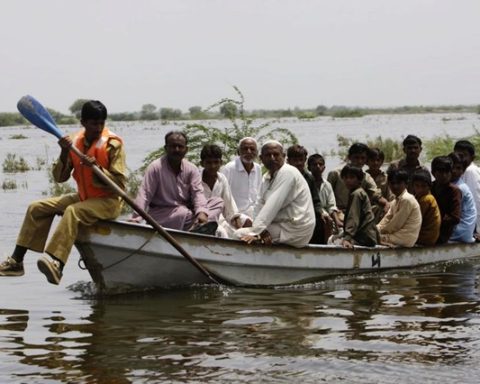
Climate change is often discussed in numbers, targets, and pledges. Yet for millions across the world’s most vulnerable states, climate change is not a statistic. It is loss, grief, and survival. Pakistan’s
More
Australia faces a growing risk of missing its 2035 climate targets unless it implements deeper reductions in greenhouse gas emissions, according to a government report released on Thursday. Current projections indicate emissions
More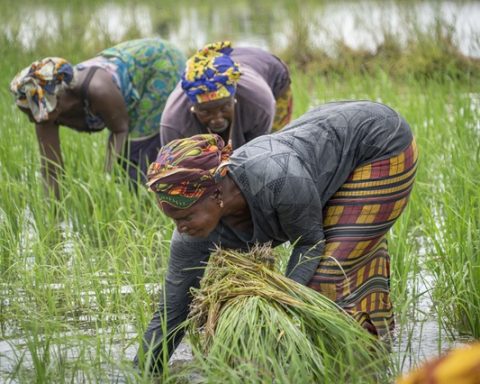
The African Development Fund (ADF) has approved a $14.64 million grant to scale up climate resilience initiatives across the Sahel, the African Development Bank Group announced following the Board’s decision in Abidjan
More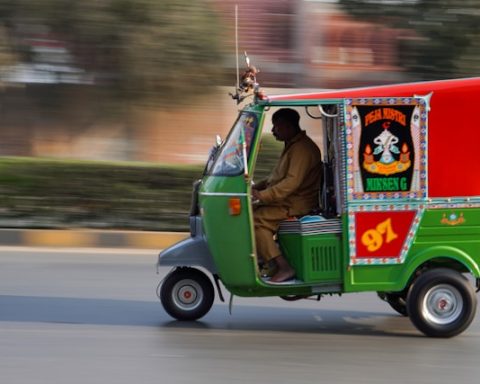
In Norse mythology, Thor is the protector who stands firm when storms gather. He does not cause destruction but faces it head on, holding the line so that others may survive. In
More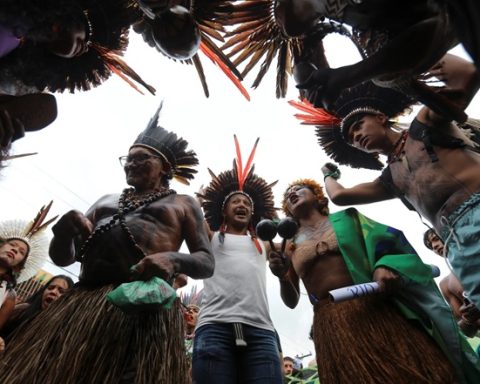
Almost similar to the 29 earlier COP (Conference of the Parties) that were organized in different venues around the world each year, COP 30 at Belem in Brazil also started with high
More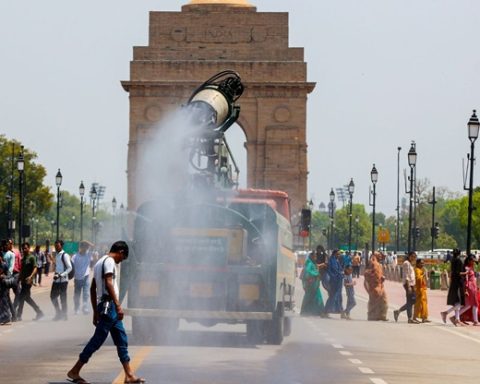
The United Nations Economic and Social Commission for Asia and the Pacific (ESCAP) has warned that extreme heat is reshaping the “riskscape” across Asia and the Pacific, with 2024 recorded as the
More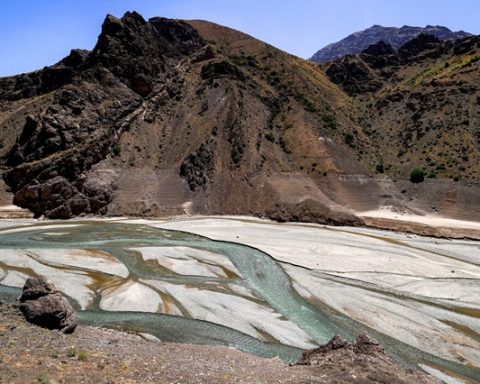
Iran is confronting its most severe water crisis in decades, with authorities warning that Tehran, home to more than 10 million people, could soon become uninhabitable if rainfall does not arrive before
More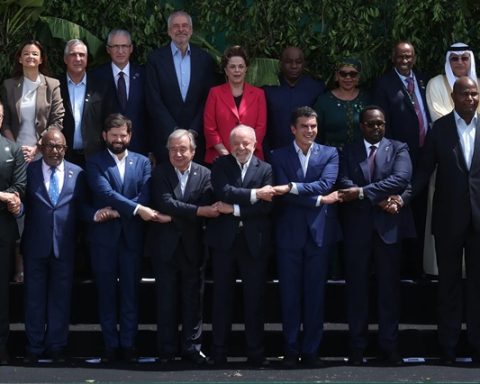
Brazilian President Luiz Inácio Lula da Silva, host of the COP30 UN Climate Change Conference, embodies a striking paradox in global climate diplomacy: a climate champion calling for more oil, a rainforest
More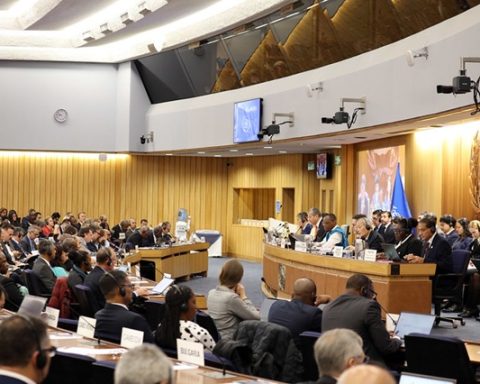
The International Maritime Organization’s (IMO) Extraordinary Session of the Marine Environment Protection Committee (MEPC), held from 14 to 17 October 2025 in London, concluded without agreement on the proposed Net-Zero Framework for
More
This summer, there were days in tropical cities when it was unbearable to walk out in the sunlight. In Mango, Togo, for instance, the temperature soared to 44°C in March and April. Heat maps depict a
More Global warming is accelerating past dangerous thresholds faster than previously expected, with the world’s coral reefs now undergoing what scientists describe as an “almost irreversible die-off” — marking the first major tipping
More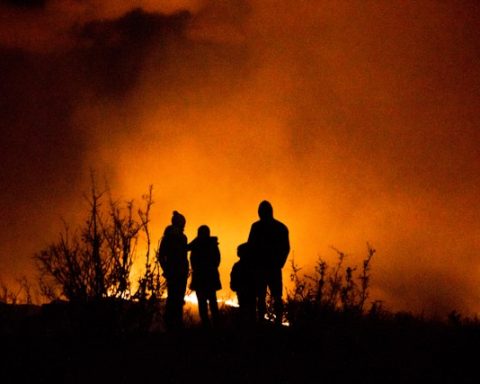
Even as forests shrink in many parts of the world due to logging, wildfires, and other human activities, their total carbon dioxide (CO2) absorption is on the rise, spurred by warmer temperatures
More
The stench of decay announces death—but Rafflesia plants turn it on like a neon sign. Forty-two parasitic species exude the smell of rot to lure insects, thriving under the guise of death. From a distance, the
More A groundbreaking study published today in Nature has traced responsibility for global heatwaves back to individual fossil-fuel producers, potentially strengthening efforts to hold these companies accountable for their role in climate change.
More