


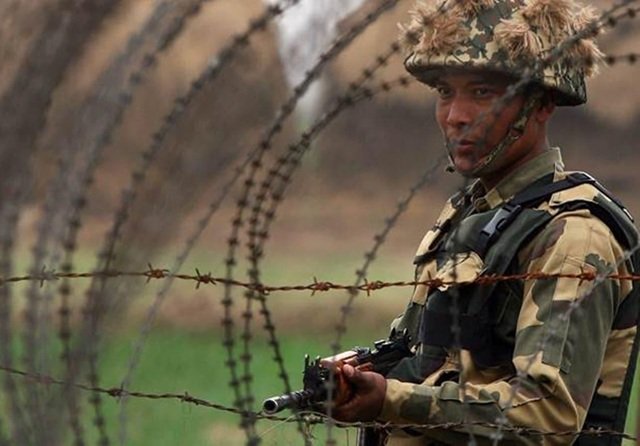
Indian security forces have foiled at least ten infiltration attempts along the Line of Control in Jammu and Kashmir in 2026, killing nine terrorists in five incidents, according to partial SATP data.

Anwar A. Khan is an independent political analyst based in Dhaka, Bangladesh who writes on politics, political and human-centred figures, current and international affairs
Indian security forces have foiled at least ten infiltration attempts along the Line of Control in Jammu and Kashmir in 2026, killing nine terrorists in five incidents, according to partial SATP data.
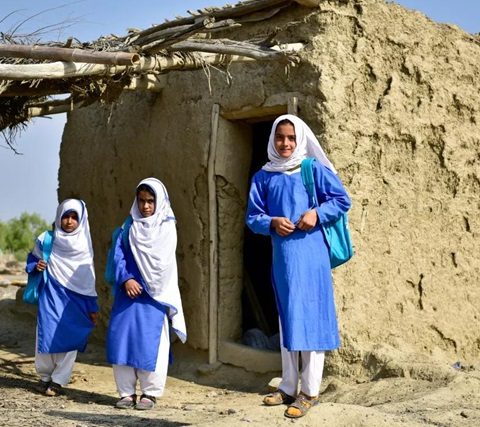
The Baloch Republican Guards (BRG) have sharply escalated their operations in 2026, with at least 23 security personnel killed in six BRG-linked incidents, according to partial SATP data. From deadly ambushes to attacks on railways, power infrastructure and government installations,
For Sri Lanka, maritime security is not an abstract geopolitical concern. The island’s location near major shipping routes creates opportunities for trade, fisheries, and
China appears to be developing a second unusually configured vessel that could serve as a mothership for large underwater drones, adding to evidence of

As South Asian diplomacy evolves, Bangladesh faces a fundamental question: can it protect its strategic independence while deepening ties with neighbouring countries and global powers? The timing of Bhutan’s king’s Dhaka meetings
More
When Politics Fills the Cells. Since 5 August 2024, Bangladesh has been mired in a profound democratic crisis, characterised by mass arrests, overflowing prisons, and mounting concerns over civil liberties, the administration
More
Maheshkhali has become a test of Bangladesh’s sovereignty amid intensifying US–China rivalry in the Indo-Pacific. Dhaka must resist external pressure, protect its national interests, and pursue international partnerships on its own terms.
More
Violence against Bangladesh’s Hindu minority has produced killings, attacks on homes and businesses, damage to temples and continuing fears over security and property. Whatever the motive in individual cases—religious hatred, political vengeance,
More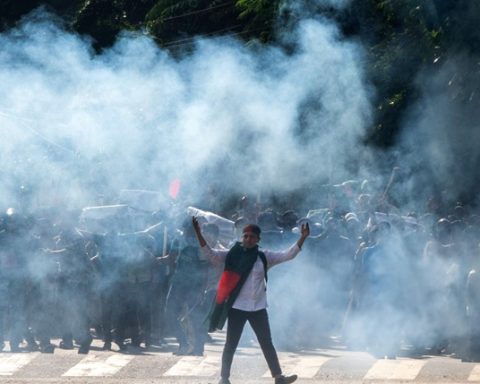
The American conspiracy will soon perish in the ruins of its own making. Before 5 August 2024, Bangladesh was like a sajano-guchano sangsar—a household painstakingly arranged after decades of sacrifice, struggle and
More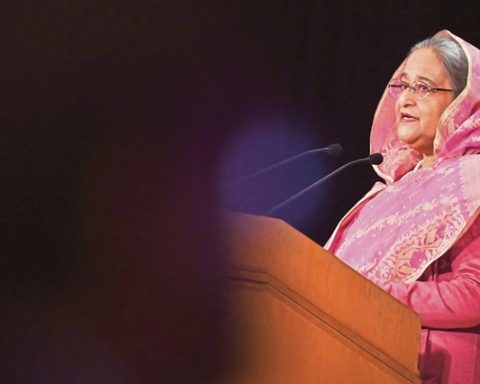
December is emerging as a month of profound political consequence for Bangladesh—one that may finally begin to lift the veil on the full extent of the horrific political conspiracy orchestrated by the
More
The Bay of Bengal is no longer merely a sweep of blue water connecting Bangladesh, India and Myanmar. It is becoming one of Asia’s most consequential strategic theatres—a maritime chessboard where ports,
More
Bangladesh’s hard-won ascent was grievously derailed on 5 August 2024, when, a geopolitical cabal orchestrated from Washington, in concert with domestic collaborators, unlawfully, forcibly, and unconstitutionally removed Prime Minister Sheikh Hasina from
More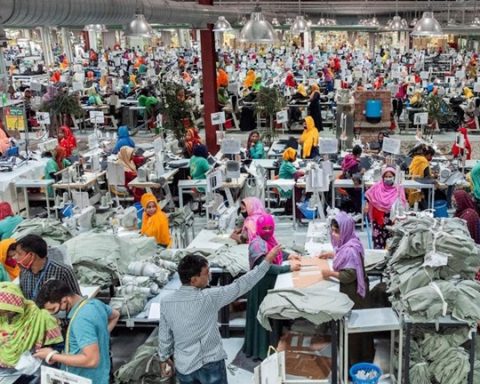
A trade deal without the people’s voice; an agreement beyond parliamentary scrutiny, democratic accountability, and national debate—raising profound questions about sovereignty, legitimacy, and consent. Trade agreements are not merely commercial instruments. When
More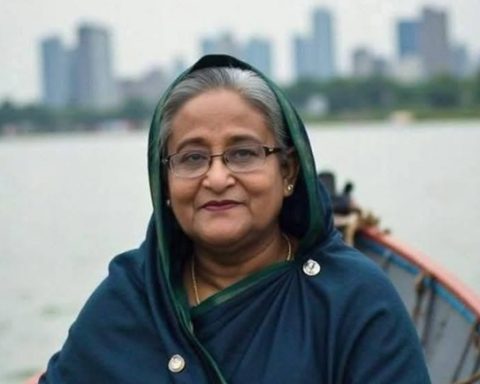
History occasionally produces leaders whose influence transcends the confines of political office and becomes inseparable from the national consciousness itself. Such figures are remembered not merely for the authority they wielded, but
More In an era where geopolitics increasingly shapes domestic politics, Bangladesh now finds itself navigating one of the most consequential periods in its modern history. Bangladesh did not give birth to the Awami
More History has a way of circling back to truth. However long injustice may reign, however loudly the liars may shout, the story of Bangladesh today stands poised on that eternal hinge where
More
The growing influence of so-called political Islam over Bangladesh’s public institutions has become one of the defining developments of recent years. Once largely confined to partisan politics and sections of civil society,
More “Justice is truth in action.” — Benjamin Disraeli Few principles are more sacred to a democratic republic than the supremacy of the rule of law. Governments may rise and fall. Political fortunes
More
The forgotten glory of Bangladesh’s 1971 Liberation War still beckons the nation to reclaim its founding ideals, unity, courage, and destiny. But Bangladesh has, since 5 August 2024, been unlawfully brought under
More