


The National Security Archive has published a collection of 12 significant historical documents marking four decades since the Iran-Contra scandal exposed serious abuses of executive power within the administration of US President
The National Security Archive has published a collection of 12 significant historical documents marking four decades since the Iran-Contra scandal exposed serious abuses of executive power within the administration of US President
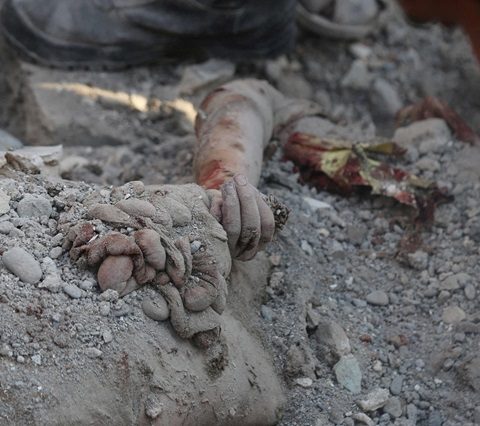
November 20, World Children’s Day, serves as a reminder of a global commitment to safeguarding the right to life, security, and dignity of children who, regardless of nationality, race, religion, or geographical location, deserve to live in peace and safety.
The United States and Iran remain locked in a diplomatic and military stalemate after nearly nine months of war, with both sides believing time
More than eight months after the United States and Iran launched Operation Epic Fury, neither side appears willing to make the concessions needed to
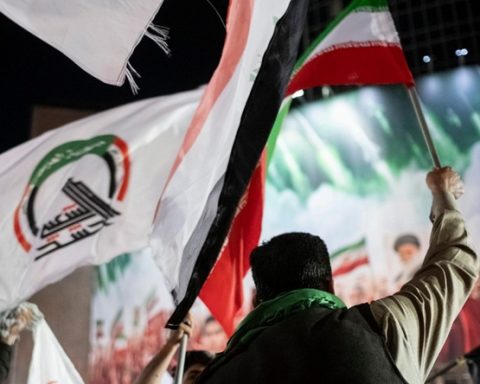
On June 2, 2026, two U.S.-designated foreign terrorist organizations in Iraq, Asaib Ahl al-Haq and Kataib Al-Imam Ali, announced their intention to begin handing over their heavy weapons to the Iraqi state.
More
Understanding the MOU Most of the critical commentary on the Trump administration’s memorandum of understanding (MOU) with Iran centers on the specific commitments each side is supposed to have made and intends
More
As negotiations over the conflict between the United States, Israel, and Iran continue, experts say Tehran’s reliance on proxy groups is expected to remain central to its regional and global strategy, underscoring
More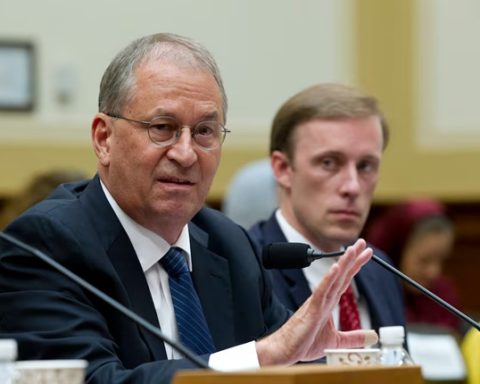
As international efforts continue to address Iran’s nuclear ambitions, one of the world’s most closely watched experts on nuclear proliferation says the country’s program has suffered a major setback but remains unresolved.
More The Iran–US Memorandum of Understanding (MoU) emerged not from reconciliation, but from exhaustion and strategic failure by the United States and its allies. It was the product of a war that had
More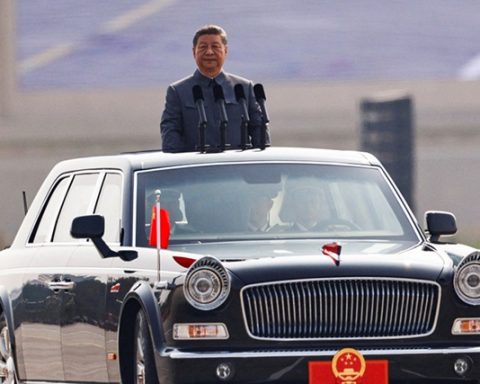
The authenticity of the public articulation of the stunning proposal of an alliance by Majlis speaker Mohammad Baqer Qalibaf — ‘regional bloc’ — built around an Iran-China axis in the Middle East is not
More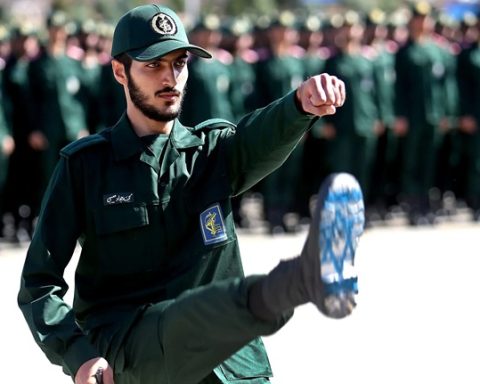
As Washington and Tehran move toward discussions on a possible agreement to end their conflict, a central question is emerging over who will benefit most from any economic opening: the Iranian public,
More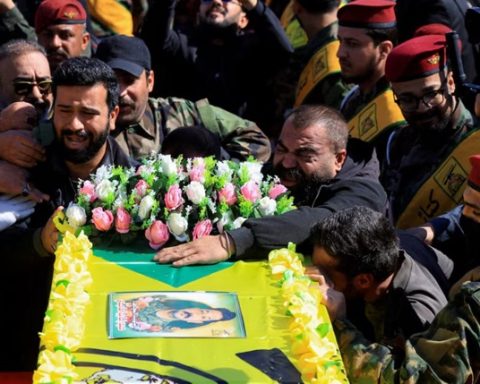
Iran’s Islamic Revolutionary Guard Corps (IRGC) has established covert armed cells in Iraq to carry out drone attacks against Gulf countries hosting US forces, according to eight Iraqi sources cited by Reuters.
More
In its report, El País examines the devastating economic consequences of the war involving Iran and the United States, showing how ordinary Iranian citizens are experiencing the conflict not only through political
More
For decades, governments attempting to address Iran’s growing regional influence and nuclear ambitions have relied on diplomacy, sanctions and negotiations. A detailed analysis by the Jerusalem Center for Security and Foreign Affairs
More
The United States and Iran have signed an interim ceasefire agreement aimed at ending their war, shifting international attention toward the future of the Strait of Hormuz, sanctions relief and negotiations over
More
Who truly emerged victorious in the war between the United States and Iran? The conflict has yielded no clear answers, yet America’s friends have borne the brunt of Washington’s decisions. Iran’s retaliation
More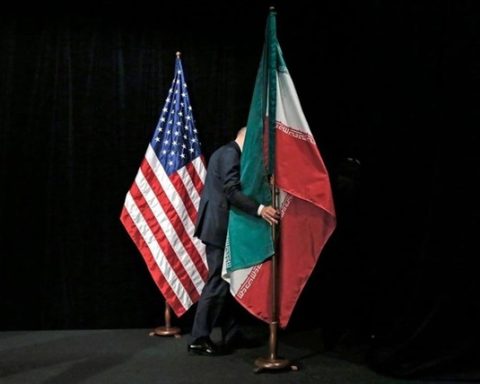
A $300 billion private investment fund aimed at supporting economic development in Iran has been outlined in a framework agreement between the United States and Iran, with more than half of the
More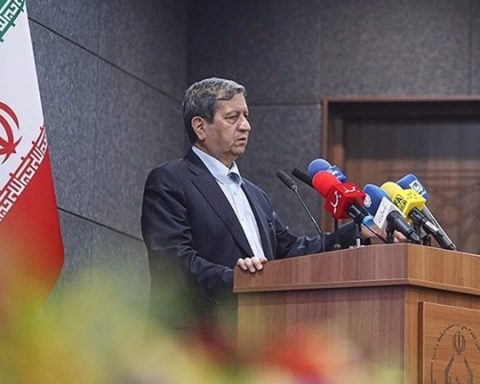
Iran and Russia are expected to complete the final phase of integrating their national banking payment systems within two months, a development that will allow Iranian travelers to make purchases in Russia
More
Iran is preparing to introduce AlphaZa, the country’s first domestically developed alpha-emitting radiopharmaceutical designed to treat advanced cancers resistant to conventional therapies, according to the head of the Atomic Energy Organization of
More