


A personal reflection on Moon Over Wuyi, exploring how art transcends language and opens a window into Zhu Xi's philosophy, Chinese intellectual heritage and the enduring relationship between knowledge, nature and human
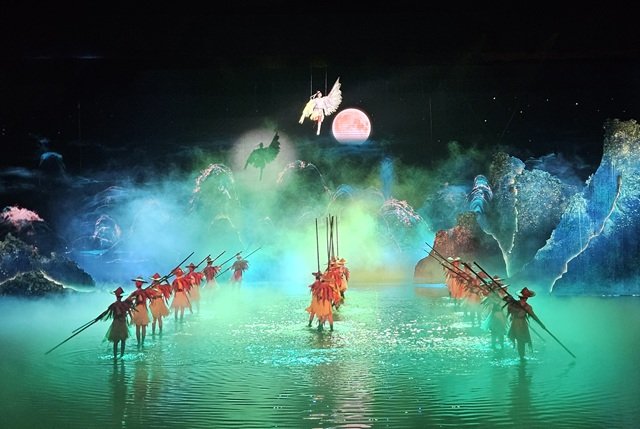
A personal reflection on Moon Over Wuyi, exploring how art transcends language and opens a window into Zhu Xi's philosophy, Chinese intellectual heritage and the enduring relationship between knowledge, nature and human
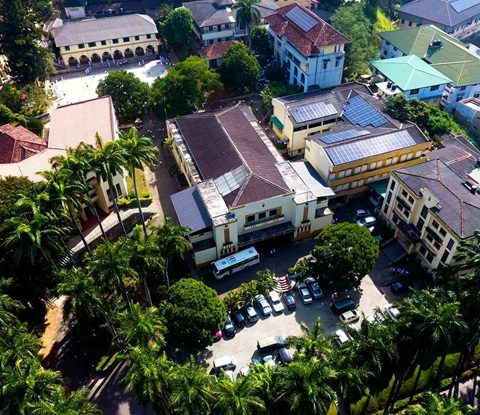
Trinity College, Kandy, symbolizes the distinctive educational environment Sri Lanka experienced under British rule, as the institution embodied Victorian values and closely followed the English public school model. Established by Rev. Richard Collins in 1872, Trinity achieved prominence during the
Betel nut chewing, a practice that has persisted in China for approximately 2,000 years, has evolved from an exotic southern tribute presented to imperial
Why are we so obsessed with a group of prehistoric humans who disappeared some 40,000 years ago? Ever since the discovery of the first
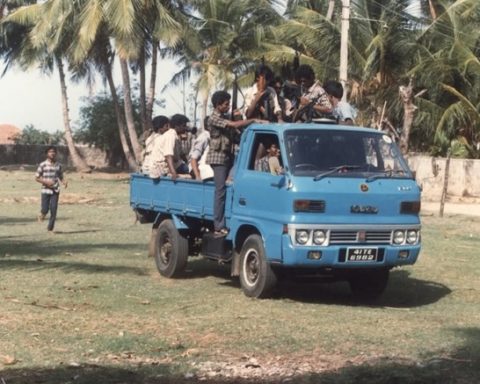
Tamil political parties and politicians are seeking political advantage from Thileepan’s death. Last year, Fisheries, Aquatic and Ocean Resources Minister Ramalingham Chandrasekaran was prevented from entering the Thileepan memorial in Nallur on
More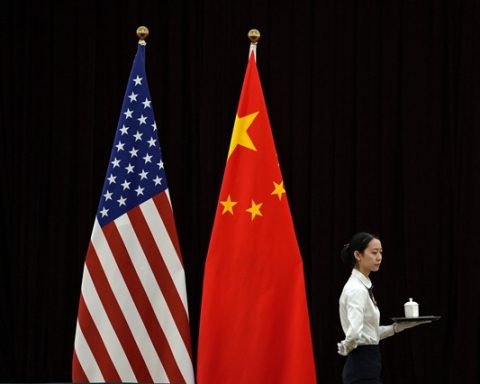
This column looks beyond government tensions to explore the human connections that have shaped China–US relations, from education and wartime cooperation to youth exchanges and sport. It argues that despite geopolitical differences,
More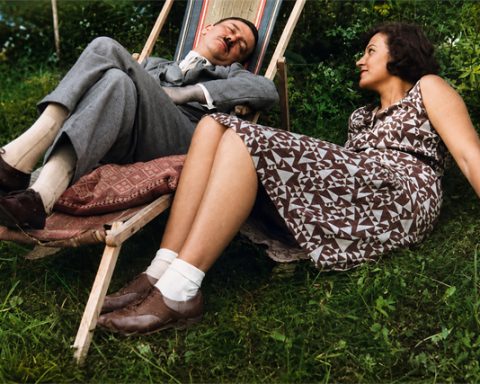
The death of Geli Raubal, Adolf Hitler’s 23-year-old niece, has long been surrounded by conflicting accounts. She was found dead in September 1931 in Hitler’s Munich flat at Prinzregentenplatz. The established chronology
More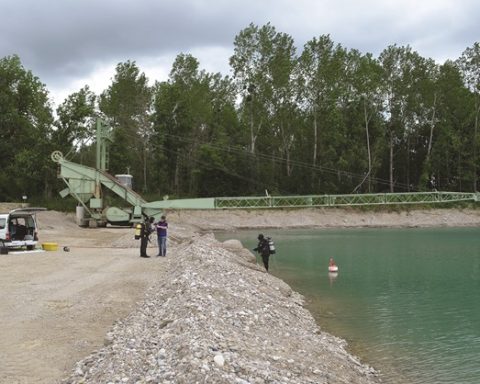
A remarkable archaeological discovery in Austria is forcing a reassessment of the scale of Iron Age iron production and trade in Central Europe. The findings, reported in Antiquity, the international, peer-reviewed journal
More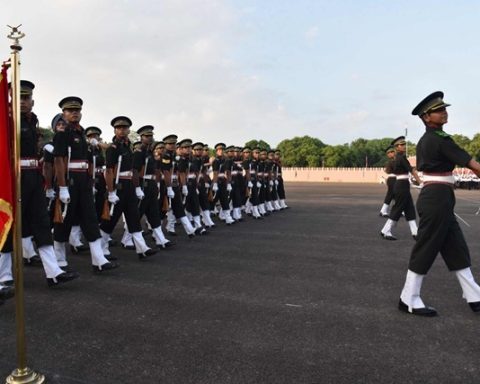
A reunion at the Home of Veterans in Akuregoda leads Admiral Ravi Wijegunaratne back to memories of his service in Mannar in 1985, when a decision to travel with an Army convoy
More
The United Kingdom is facing renewed pressures for constitutional fragmentation, as Scotland, Wales and Northern Ireland pursue greater autonomy and, in some cases, independence. A breakup would be far more than a
More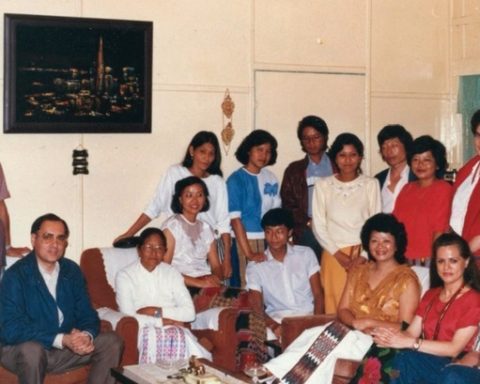
by Nil Sanjoy Hazarika’s most recent work, Lal Thanhawla: The Boy from Zarkawt, and the Making of Mizoram is presented as a biography, but its real ambition is considerably larger. “What started
More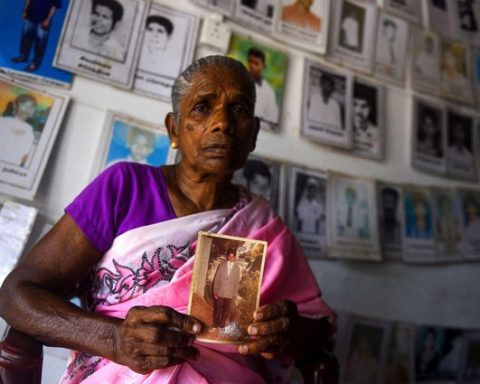
The debate over genocide in Sri Lanka has become increasingly entangled with politics, selective outrage and competing historical narratives. From British atrocities in Uva-Wellassa and LTTE massacres and expulsions to the unresolved
More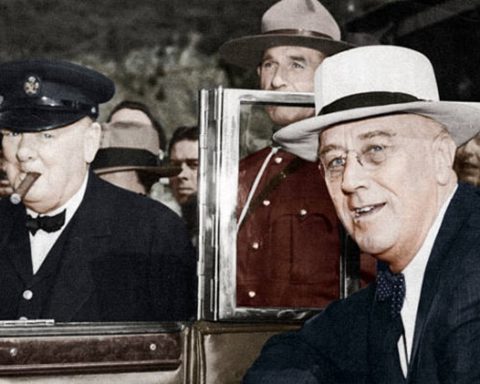
The passage argues that Britain is gradually erasing its historical identity by replacing recognition of figures such as Churchill, Austen, Turner and Turing with symbols of a more multicultural and politically correct
More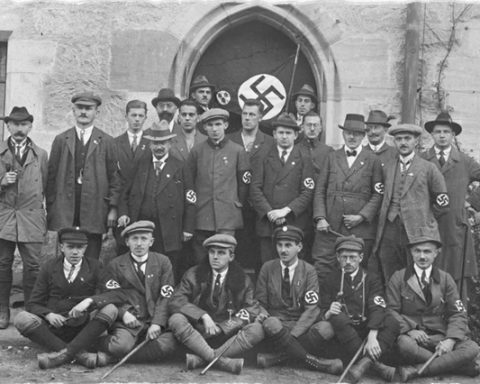
Many nevertheless portrayed themselves as misguided idealists who had become disillusioned with Nazi methods after 1933. Löpelmann went further. Before a denazification commission, he presented himself as a victim of the Nazis
More
Mahinda’s father, D. A. Rajapaksa, entered politics only after the death of his elder brother, D. M. Rajapaksa. D. M. Rajapaksa was a strong leftist. He entered politics by working to secure
More
Tucked into a Sept. 10, 1998, intelligence report sent to President Bill Clinton’s White House was a warning that, more than a quarter-century later, reads with striking prescience. A CIA analyst wrote
More
1. Manic “Change Round” In Sigmund Freud’s “Mourning and Melancholia,” the melancholic is in want of an object, never knowing exactly what they may have lost. Melancholy transforms the object-loss of mourning into
More
Sky News published a video this month that opens on a rigged explosive device and a pickax under a stark title card, “Inside the Taliban’s Museum of Death.” Three seconds pass before
More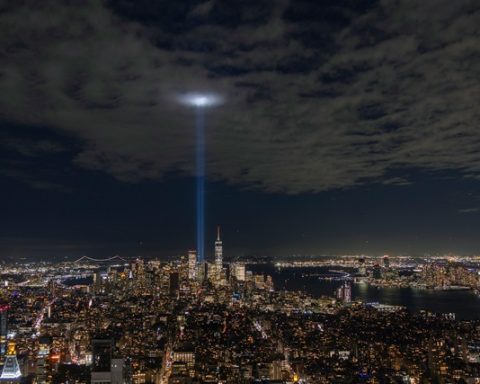
Editor’s Note: This essay was originally published in The New Yorker two months after 9/11. The tragedy re-engineered the West while imposing a huge cost on the rest of the world. Twenty-five
More