


As South Asian diplomacy evolves, Bangladesh faces a fundamental question: can it protect its strategic independence while deepening ties with neighbouring countries and global powers? The timing of Bhutan’s king’s Dhaka meetings
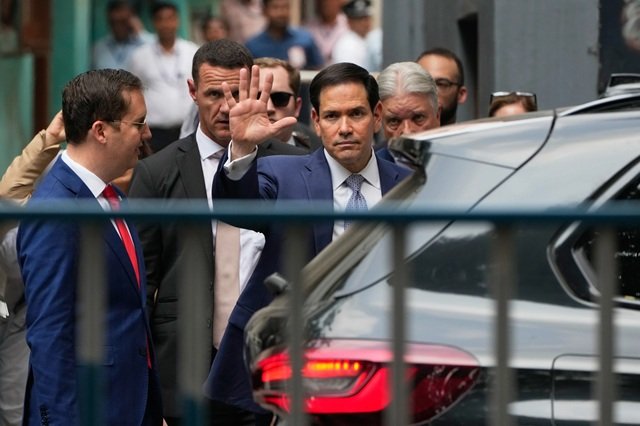
As South Asian diplomacy evolves, Bangladesh faces a fundamental question: can it protect its strategic independence while deepening ties with neighbouring countries and global powers? The timing of Bhutan’s king’s Dhaka meetings
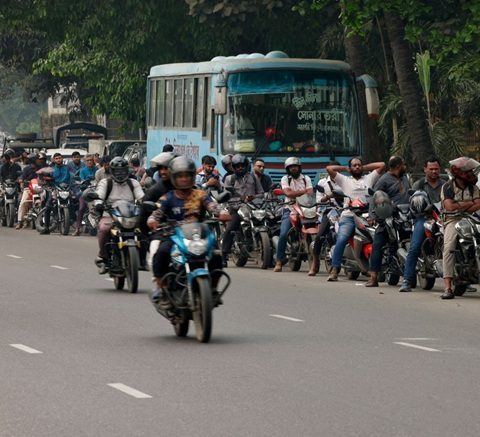
Bangladesh has spent an estimated US$4.1 billion in additional costs since late February to cushion the impact of a global energy crisis, placing mounting pressure on Prime Minister Tarique Rahman’s plans to reform the economy and transform the country into
When Politics Fills the Cells. Since 5 August 2024, Bangladesh has been mired in a profound democratic crisis, characterised by mass arrests, overflowing prisons,
From October 8 to 9, 2026, Police detained 252 people in a single night during an operation against teenage gangs in Comilla District. The

Bangladesh’s hard-won ascent was grievously derailed on 5 August 2024, when, a geopolitical cabal orchestrated from Washington, in concert with domestic collaborators, unlawfully, forcibly, and unconstitutionally removed Prime Minister Sheikh Hasina from
More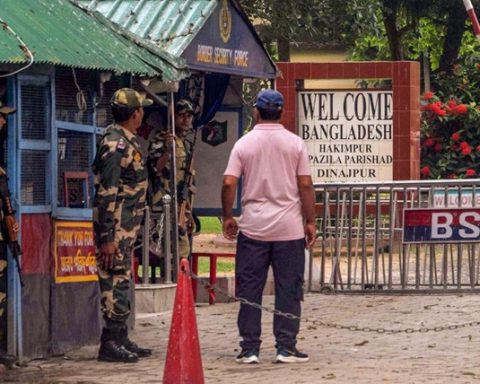
Tariq Rahman’s India visit cancellation, ambiguity over BRICS, and hard push for Hasina’s extradition are nothing more than a simple domestic position-strengthening exercise that almost every Bangladesh Prime Minister from the BNP
More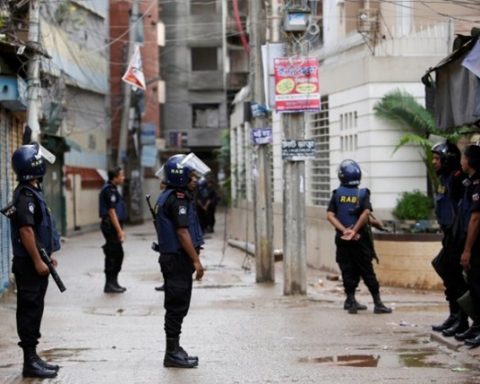
On August 16, 2026, Juel Bhuiyan, 26, a suspected associate of the Neo-Jama’atul Mujahideen Bangladesh (Neo-JMB) operative Nazmul Hasan Mamun, alias Bomaru Mamun, was arrested at Demra in Dhaka, in possession of two handmade
More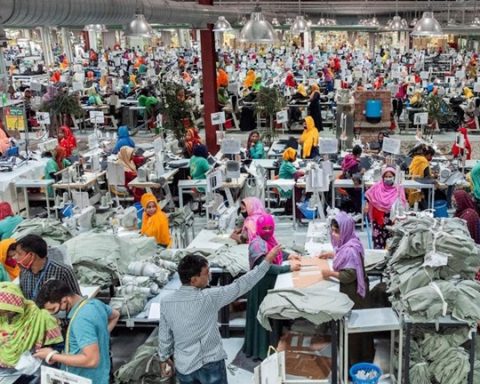
A trade deal without the people’s voice; an agreement beyond parliamentary scrutiny, democratic accountability, and national debate—raising profound questions about sovereignty, legitimacy, and consent. Trade agreements are not merely commercial instruments. When
More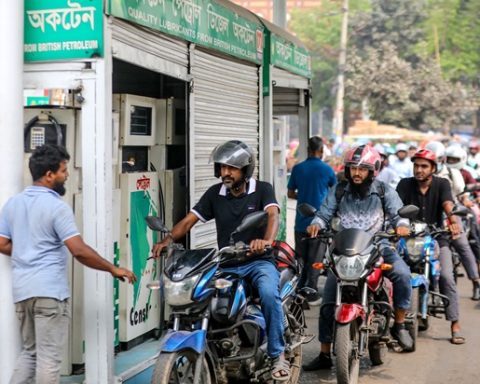
Bangladesh’s worsening energy crisis has given India an unexpected opportunity to repair strained relations with its neighbour, after Dhaka requested additional diesel supplies as power shortages forced shops, malls and markets to
More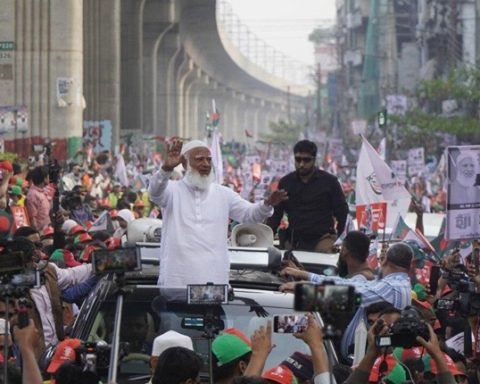
On August 2, 2026, Hizb-ut-Tawhid (HT) Dhaka city unit staged a human chain and protest rally in front of the National Press Club in Dhaka, denouncing open threats, false propaganda, and inflammatory
More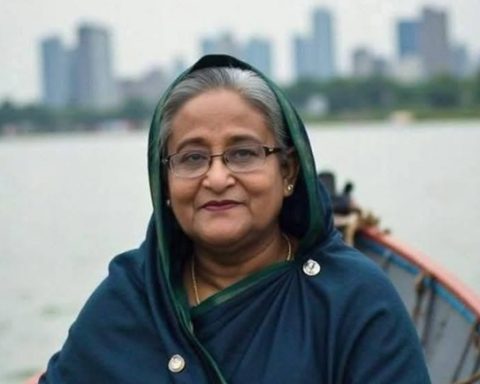
History occasionally produces leaders whose influence transcends the confines of political office and becomes inseparable from the national consciousness itself. Such figures are remembered not merely for the authority they wielded, but
More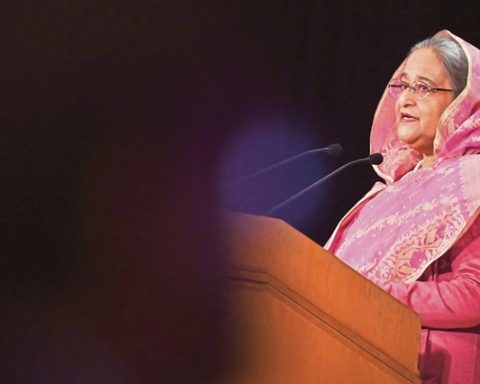
by Our Correspondent in New Delhi Former Bangladesh Prime Minister Sheikh Hasina today, Wednesday, delivered a virtual address to the Foreign Correspondents’ Club (FCC), South Asia, ahead of her announced return to
More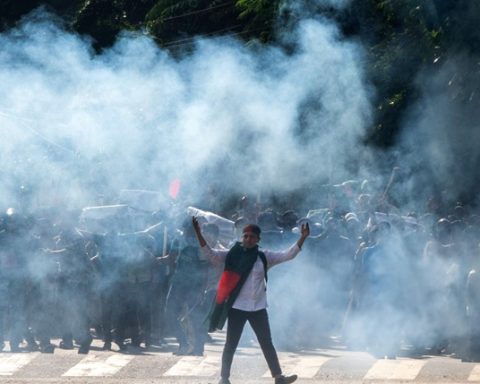
In an era where geopolitics increasingly shapes domestic politics, Bangladesh now finds itself navigating one of the most consequential periods in its modern history. Bangladesh did not give birth to the Awami
More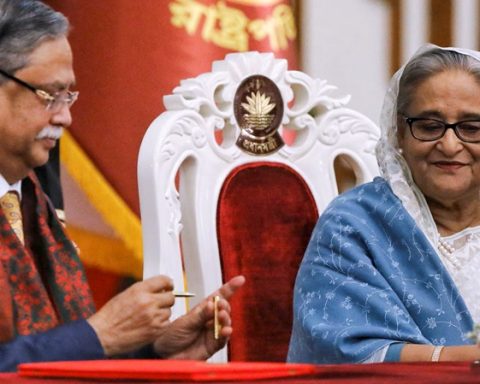
On July 24, 2026, Bangladesh President Mohammad Shahabuddin resigned from office after weeks of political uncertainty. Speaker Hafiz Uddin Ahmad Bir Bikram accepted the resignation at 5:01 pm, making it effective immediately
More History has a way of circling back to truth. However long injustice may reign, however loudly the liars may shout, the story of Bangladesh today stands poised on that eternal hinge where
More
The growing influence of so-called political Islam over Bangladesh’s public institutions has become one of the defining developments of recent years. Once largely confined to partisan politics and sections of civil society,
More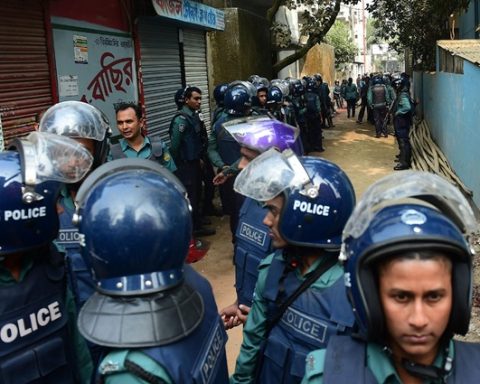
On July 12, 2026, a Dhaka court granted a three-day remand to seven people – Shah Amanat Sabir, Mohammad Hossain Tanim, Mohammad Junayed, Ataullah Shah, Mohammad Abidur Rahman, Mohammad Biojit, and Mohammad
More
On June 26, 2026, Bangladesh’s Home Minister, Salahuddin Ahmed said the government was set to amend the law to equip officials of the Department of Narcotics Control (DNC) with modern firearms, to
More
On May 24, three Bangladeshis died in landmine explosions near Naikhongchhari in Bandarban , farmers and residents killed by a war that is not theirs. Fishermen have been abducted on the Naf
More