


Sri Lanka has recorded 105,097 dengue cases so far this year, with the death toll rising to 79, according to the National Dengue Control Unit, which released the figures yesterday. The Western

Sri Lanka has recorded 105,097 dengue cases so far this year, with the death toll rising to 79, according to the National Dengue Control Unit, which released the figures yesterday. The Western

Alleged irregularities in medical procurement in Delhi, Chhattisgarh and Uttar Pradesh have exposed vulnerabilities in public purchasing, including suspected price inflation, manipulated tenders and collusion between officials and private suppliers. As political parties trade accusations, the cases raise a more
The United States has recorded 4,410 confirmed measles cases in 2026, more than double the total reported throughout 2025 and the highest level of
Germany’s two-tier health insurance system is facing renewed scrutiny over unequal access to medical treatment, as evidence of longer waiting times for publicly insured
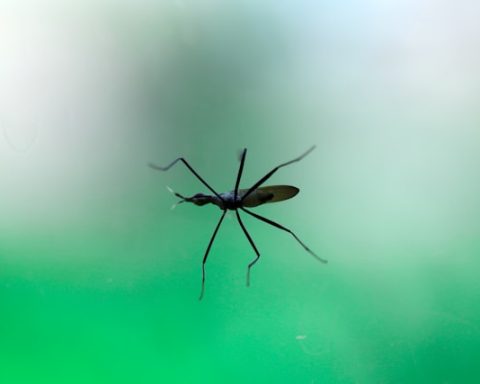
The US Food and Drug Administration (FDA) has suspended the license for Valneva’s chikungunya vaccine, IXCHIQ, effective immediately, following the emergence of four new reports of serious adverse events (SAEs) consistent with
More
A recent feature in New Scientist highlights growing evidence that chronic inflammation can have profound effects on mental health and cognition, linking long-term immune system activation to conditions ranging from depression and
More
A team of Chinese surgeons has successfully saved the life of a man whose head was nearly severed in a freak accident involving a robotic arm. The rare and complex operation was
More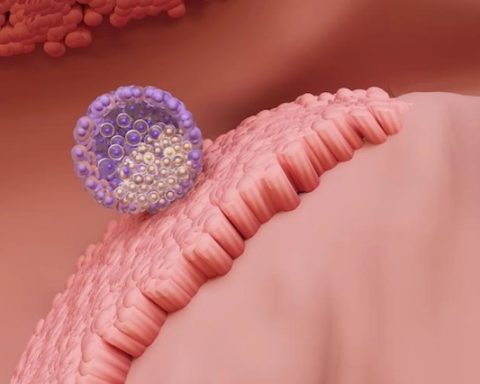
For the first time, scientists have captured real-time footage of a human embryo latching onto a lifelike replica of the uterine lining — a hidden but crucial milestone in early development. The
More
A major international survey has found that more than half of patients who underwent electroconvulsive therapy (ECT) said it was unhelpful, worsened their quality of life, and was often administered without full
More
A growing number of Chinese companies are paying employees to lose weight, with some workers pocketing thousands of yuan for shedding extra kilos. At action-camera maker Insta360, the program is simple: lose
More
A major new study tracking nearly 80,000 members of the Seventh-day Adventist Church in North America has revealed that people who avoid meat may significantly reduce their risk of developing various cancers.
More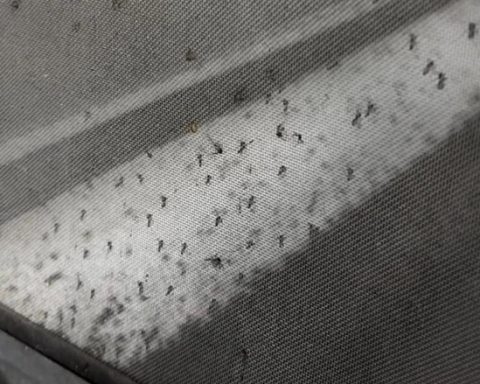
Guangzhou, the capital of south China’s Guangdong Province, is ramping up its fight against Chikungunya fever with an innovative biotechnology approach — breeding millions of sterile male mosquitoes to curb the virus’s
More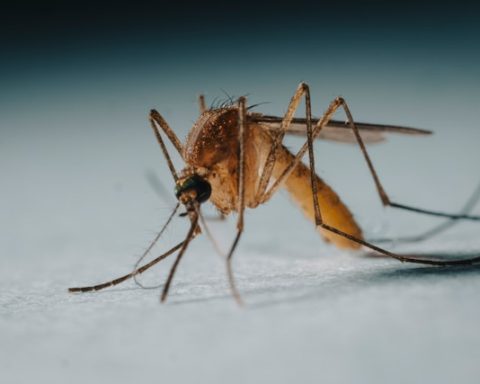
In a dramatic and unconventional move to curb China’s largest-ever chikungunya outbreak, scientists in the southern province of Guangdong are deploying swarms of “elephant mosquitoes” — giant, non-biting insects whose larvae feast
More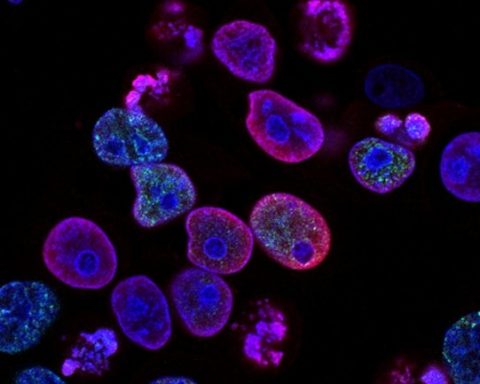
A groundbreaking study led by Dr. Li Chuanyun from the Institute of Genetics and Developmental Biology, Chinese Academy of Sciences (CAS), has revealed a surprising double-edged role of human-specific genes. These genes,
More
An unprecedented international study of human proteins is offering new insights into how neurodegenerative diseases like Alzheimer’s and Parkinson’s develop — and how they might one day be detected and treated earlier.
More
When Catherine Loveday, a professor of neuropsychology at the University of Westminster, began to notice subtle changes in her mother’s behavior, she was uniquely placed to act. Loveday, an expert in memory
More
Cancer is rapidly becoming a manageable condition rather than a fatal diagnosis, thanks to a wave of transformative medical breakthroughs, according to Professor Sir Stephen Powis, the outgoing National Medical Director of
More
A sweeping new genomic study published in Nature has uncovered compelling evidence that many of the most notorious infectious diseases—such as plague and leprosy—made the leap to humans only after ancient communities
More
Scientists have sequenced proteins from fossils over 20 million years old, dramatically extending the molecular fossil record—and potentially opening the door to studying dinosaurs at the molecular level. As reported by Nature,
More