


The Financial Times reported that the Trump administration has quietly shelved proposals to use business deals as an incentive for Russia to end the war in Ukraine, after Moscow showed little interest


Nilantha Ilangamuwa is a founding editor of the Sri Lanka Guardian and has been the editor until 2018.
The Financial Times reported that the Trump administration has quietly shelved proposals to use business deals as an incentive for Russia to end the war in Ukraine, after Moscow showed little interest

A film inspired by concern for Sri Lanka’s stray animals is arriving in cinemas at a time when the country’s film industry faces a different struggle: making films is possible, but finding a transparent and reliable route to audiences remains
Sri Lankan President Anura Kumara Dissanayake has ruled out granting what he described as unjustified demands from trade unions, warning that strikes and protests
Sri Lanka’s Central Crime Investigation Bureau has launched an extensive investigation into an alleged billion-rupee financial fraud involving two bogus financial institutions established in
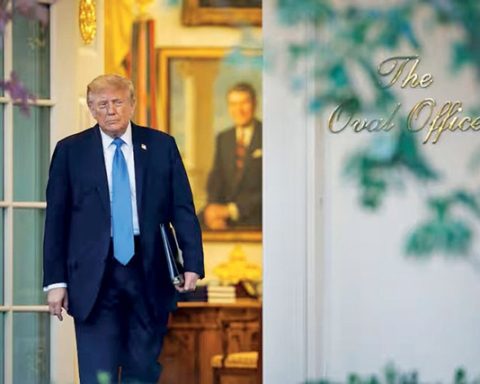
That was exquisite, but not surprising. The result was a manifestation of frustration and anger towards Trump, and it cannot be mistaken for a deeper endorsement of the Democratic Party. An electorate
More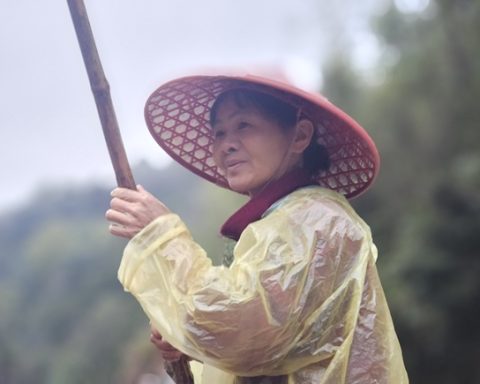
In Taining, Fujian There are journeys that take us from one destination to another, and there are journeys that quietly return us to ourselves. My experience on the bamboo raft along Shangqing
More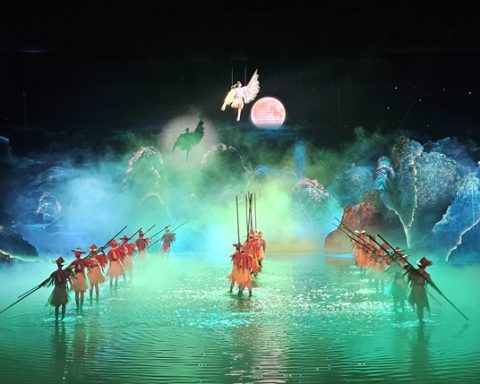
A personal reflection on Moon Over Wuyi, exploring how art transcends language and opens a window into Zhu Xi's philosophy, Chinese intellectual heritage and the enduring relationship between knowledge, nature and human
More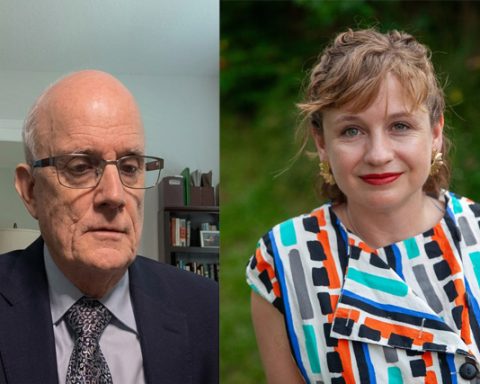
In this interview, the authors of A Dangerous Beauty discuss their investigation into Judith Exner’s alleged role as an intermediary in secret operations against Fidel Castro, the evidence supporting her account, and
More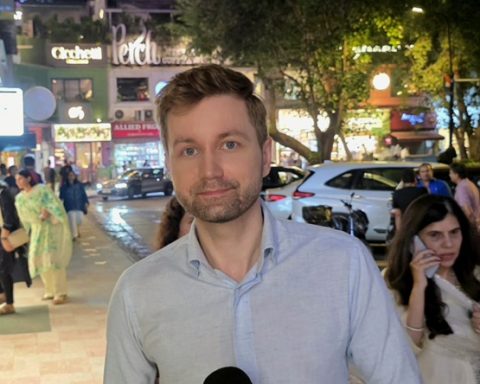
Poland and India are seeking to turn diplomatic goodwill into a stronger strategic partnership, but their differing relationships with Russia remain a test of trust. In this interview, Tomasz Augustyniak discusses defence
More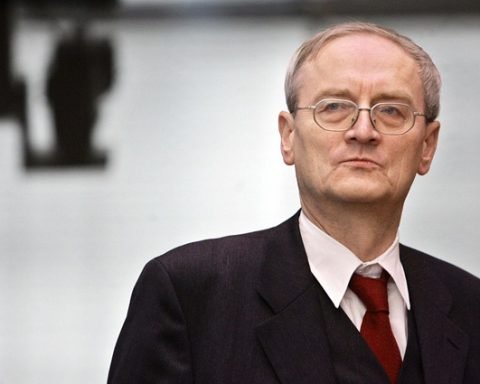
The allegations against former BND chief August Hanning, alongside a former CIA official’s guilty plea in a major fraud case, expose the fragile boundary between public service and private abuse. As intelligence
More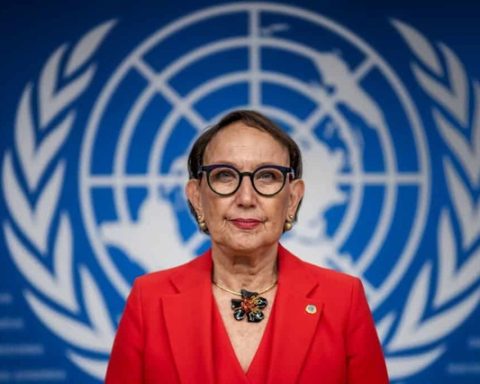
Rebeca Grynspan’s candidacy comes at a moment when the United Nations is struggling with a credibility gap of its own making: a Security Council paralysed by veto power, chronic funding shortfalls, recurring
More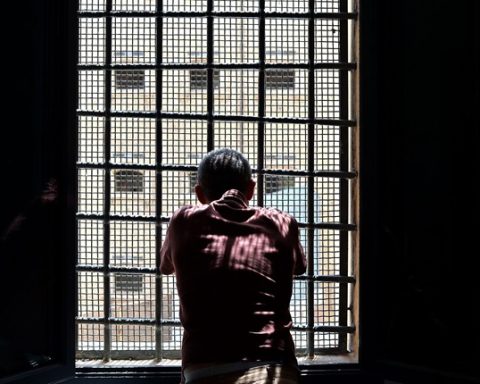
A critical examination of the growing expectations placed on prison monitors—and the dangerous gap between identifying abuse and changing the system that produces it.
More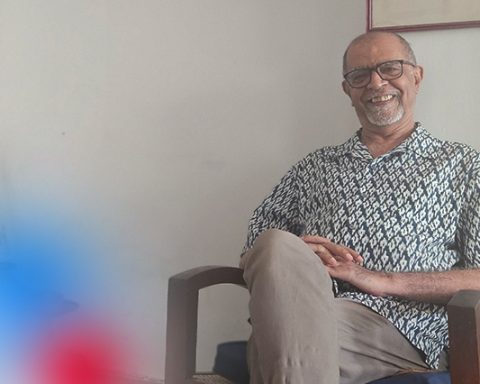
This interview traces Professor Jayadeva Uyangoda’s journey from JVP revolutionary to political scientist, examining his early experiences of poverty, caste and inequality, his role in the 1971 uprising, imprisonment at Welikada, and
More
In a wide-ranging conversation, Bahiyyih Nakhjavani reflects on the unsettled nature of identity, the limits of historical truth and the moral responsibility of writing about people who can no longer speak for
More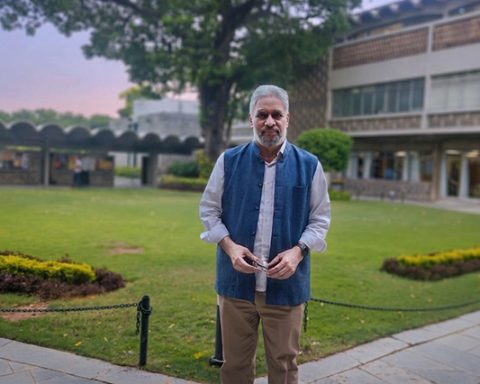
“Strategic autonomy is a fairly, I think it’s not of much use from my view,” says C. Raja Mohan. “All countries, some more Indians think they’re the only ones who do strategic
More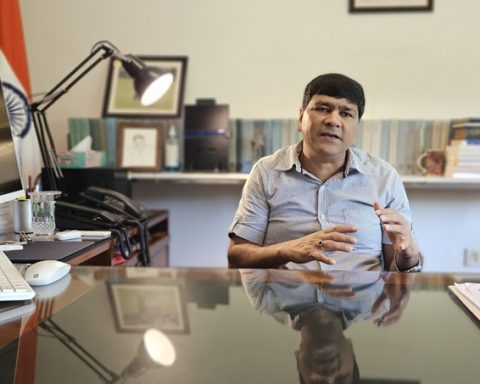
“‘There are no heroes, there are no villains.’ That is what the long-term demographic history of India tells us,” says historian Ravi K. Mishra. The statement goes to the centre of his
More
“My fight was against the mafia, not against the citizen, and I am a libertarian. At the same time, I would say I am absolutely left.” K. J. Alphons, former Union Minister,
More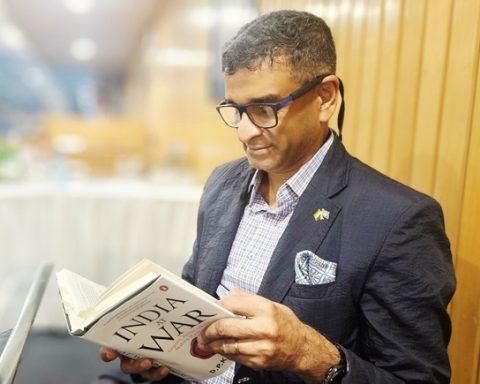
“True victory in any conflict is not found in the destruction of an enemy. It is found in the preservation of life and the healing of a community.” For Colonel D.P.K. Pillay,
More
History is never neutral. It can inspire, unite, justify, divide, or even become a weapon in the hands of political leaders. Few historians have explored this relationship between history and power as
More