


Elon Musk is accelerating the development of Starship, SpaceX’s giant next-generation rocket, after the spacecraft reached Earth orbit for the first time. The company has received authorisation from the US federal administration
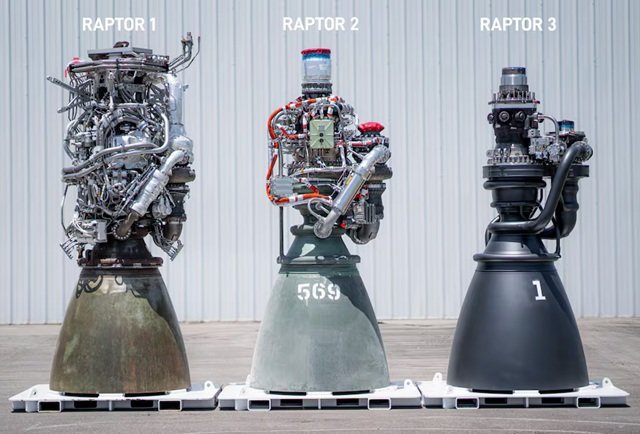
Elon Musk is accelerating the development of Starship, SpaceX’s giant next-generation rocket, after the spacecraft reached Earth orbit for the first time. The company has received authorisation from the US federal administration
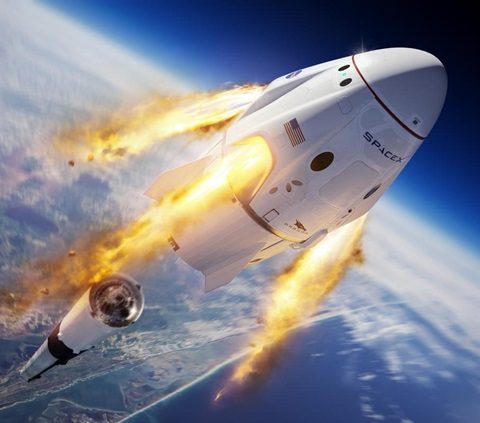
Four astronauts arrived at the International Space Station on Thursday after completing the fastest journey by a US spacecraft to the station. The crew, commanded by NASA astronaut Jessica Watkins, reached the ISS 7 hours and 55 minutes after launching
China has taken another step towards reusable rockets, with two successful booster recovery tests bringing its state-owned and commercial launch sectors closer to a
Google is taking its first major step towards putting artificial intelligence computing infrastructure in orbit, launching a prototype satellite carrying four of its custom
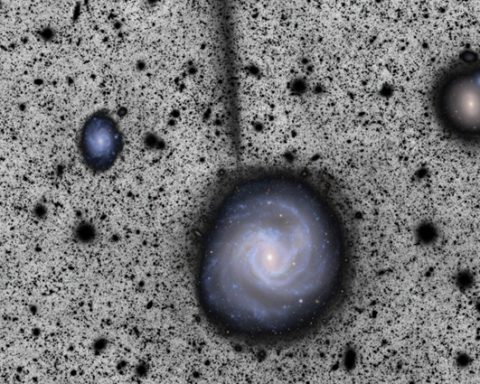
Just months after its highly anticipated debut, the Vera C. Rubin Observatory in Chile is already reshaping astronomers’ understanding of galaxy evolution. Its massive camera, the largest digital imaging device ever built,
More
China recently reached out to NASA regarding a potential conjunction between satellites, marking the first instance of direct coordination between the two agencies over space traffic management. The event was disclosed by
More
Jared Isaacman, the billionaire founder of Shift4 Payments Inc. and a SpaceX astronaut, faced an intense round of questioning during his recent interview for the role of NASA Administrator, Bloomberg reported. The
More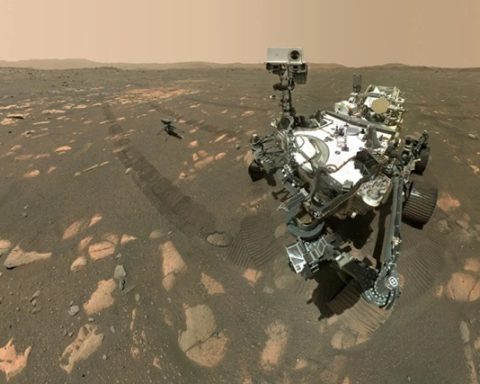
NASA has revealed new details from Mars that could provide tantalizing clues about the planet’s potential for life. Scientists studying clay-rich rocks on the edge of Jezero Crater—the site of an ancient
More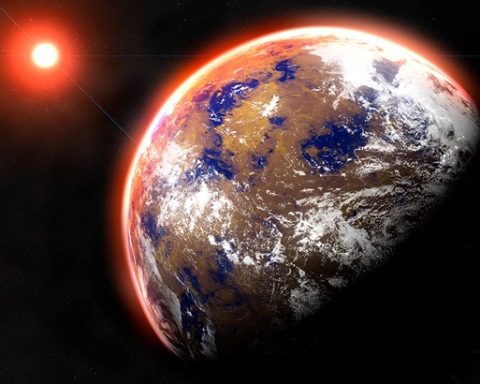
Thirty years ago this week, astronomers Michel Mayor and Didier Queloz made a groundbreaking announcement: they had discovered the first planet orbiting a Sun-like star, 51 Pegasi, a discovery later published in
More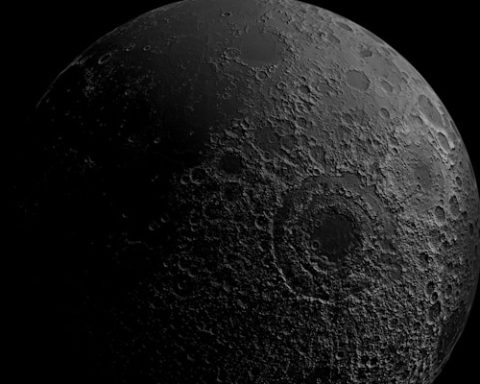
NASA announced Tuesday that the first astronauts to travel to the Moon in more than half a century could launch as early as February 2025, moving up the timeline for the landmark
More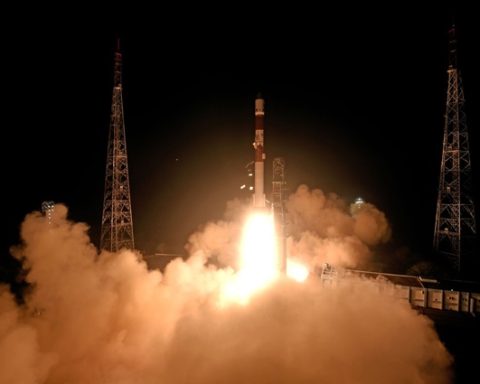
India is working on a plan to strengthen its defenses in space by developing satellites capable of protecting its orbiting spacecraft from potential threats, according to a Bloomberg report citing people familiar
More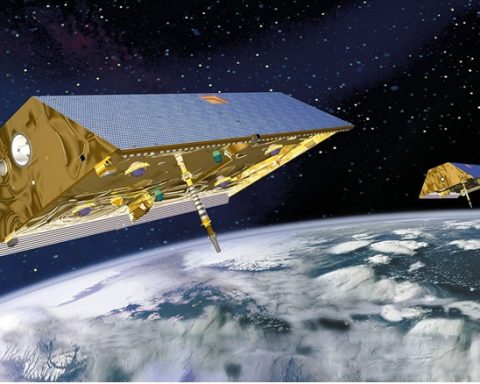
Scientists have detected a surprising geological shift thousands of kilometres beneath Earth’s surface, near the boundary between the planet’s core and mantle. The change, which occurred between 2006 and 2008, was only
More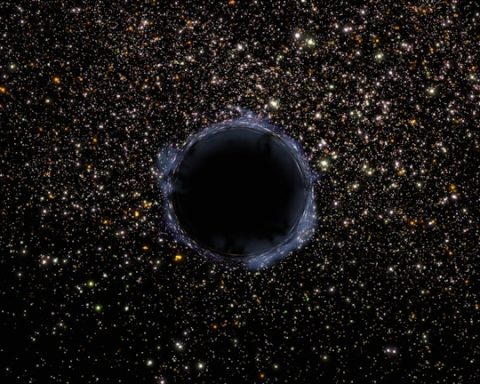
A team led by Prof. Mao Jirong from the Yunnan Observatories of the Chinese Academy of Sciences, alongside international collaborators, has provided compelling evidence of standing shocks in low-angular-momentum black hole accretion
More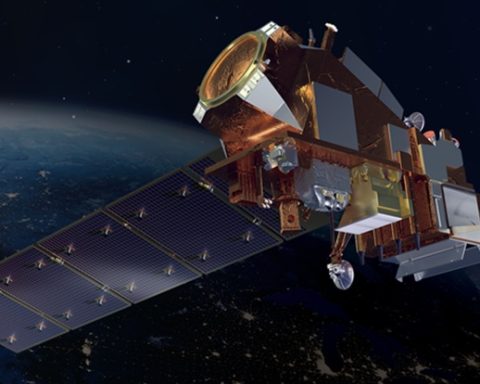
Commercial space companies are advancing rapidly in monitoring Earth’s environment, but scientists caution that private missions cannot replace government-operated satellites. A recent commentary in Nature argues that both public and commercial efforts
More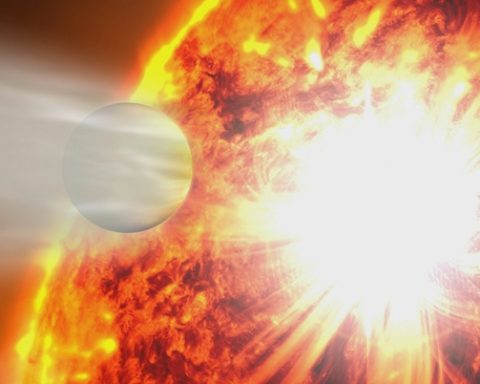
A recent feature in New Scientist takes readers on an imaginative journey through the most remarkable events in the history—and future—of our solar system. From its violent birth to its distant, star-lit
More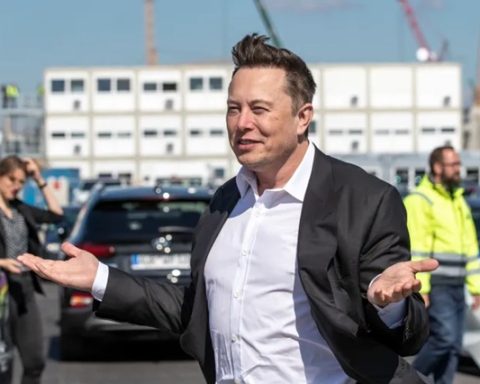
SpaceX is gearing up for another critical test of its massive Starship rocket on Sunday, a mission that Bloomberg reports comes amid mounting scrutiny following a string of high-profile failures this year.
More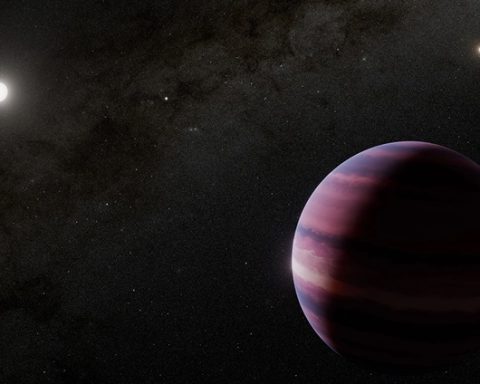
Astronomers have captured a tantalizing glimpse of a planet orbiting within the habitable zone of Alpha Centauri A — the nearest star system to Earth — potentially setting a new record for
More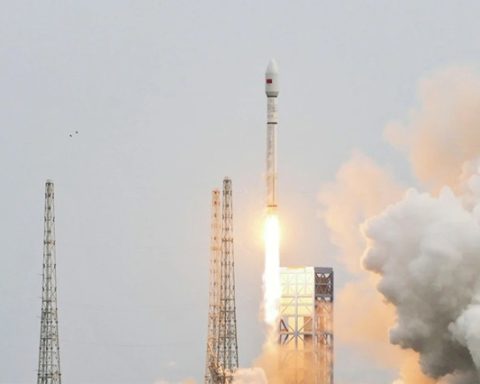
China’s ambitious race to rival SpaceX’s Starlink with its own constellation of low-Earth orbit (LEO) satellites is running into a critical hurdle: a shortage of rocket launch capacity. As a result, the
More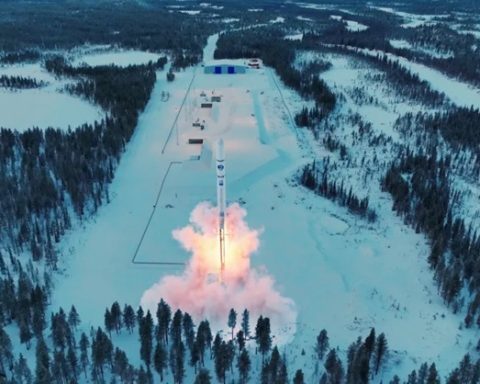
The European space race has officially entered its hot phase — and it began with a spectacular failure. In March, a much-anticipated launch of Germany’s Spectrum rocket from Andøya, Norway — hailed
More